Leak Detection in Blocks of Flats
Water coming through a ceiling in a block can be from the flat above, a communal riser, a roof outlet or a pipe three floors up. We test each possible source in turn and write a report that shows whose pipe it is, so the managing agent, the leaseholders and the insurers can move on.
Leak detection in blocks of flats, step by step
A leak in a block of flats has more suspects than a leak in a house. Mains risers, hot water flow and return, heating mains, soil stacks, rainwater pipes and the fittings in every flat above all run through the same ducts and voids. Water can travel down a riser cupboard for several floors before it shows on a ceiling. The flat above is usually blamed first, and sometimes rightly, but opening up a neighbour's bathroom on that assumption causes bad feeling and often finds nothing. The sensible first step is a survey that treats every source as possible until the readings rule it out.
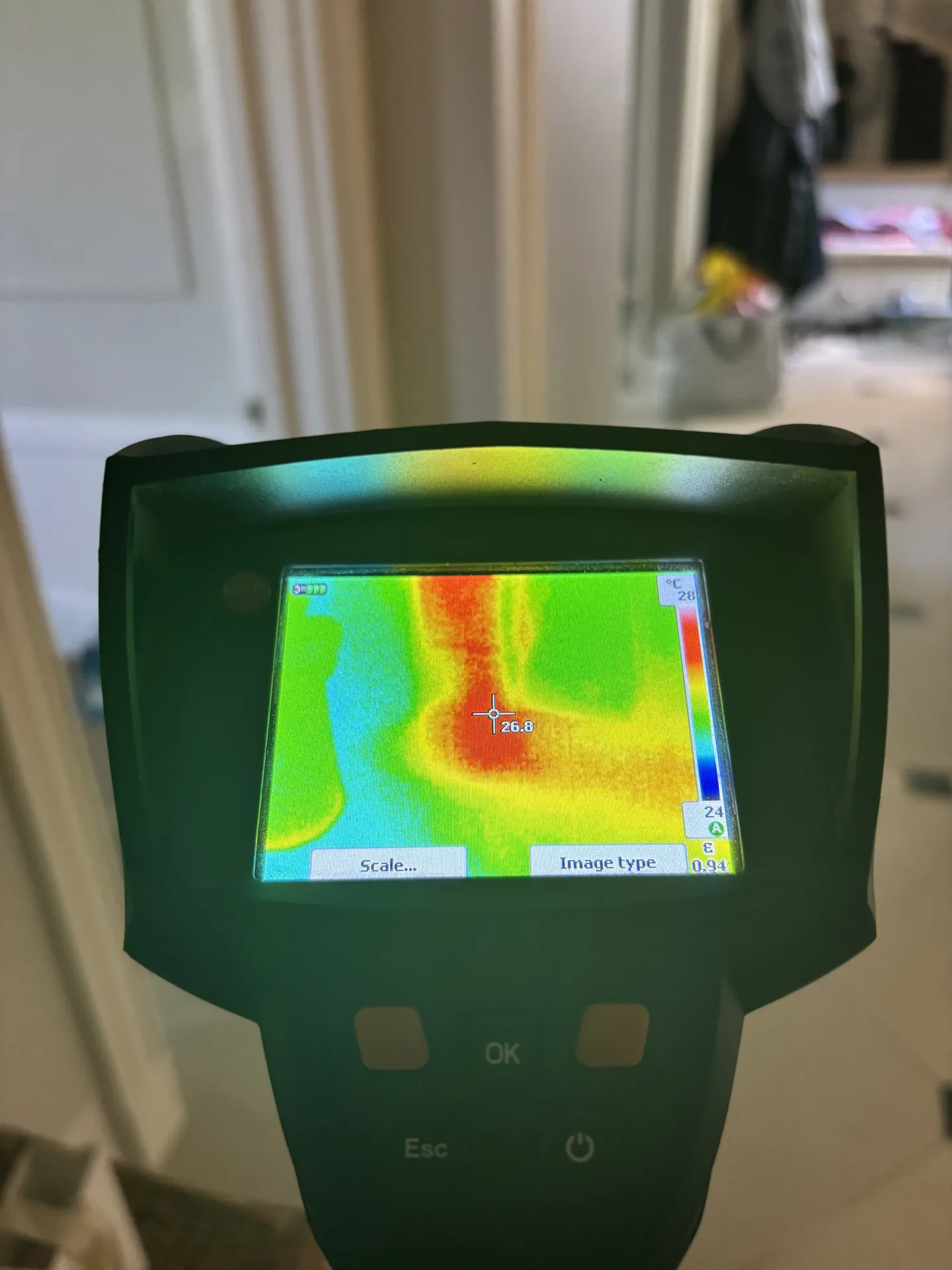
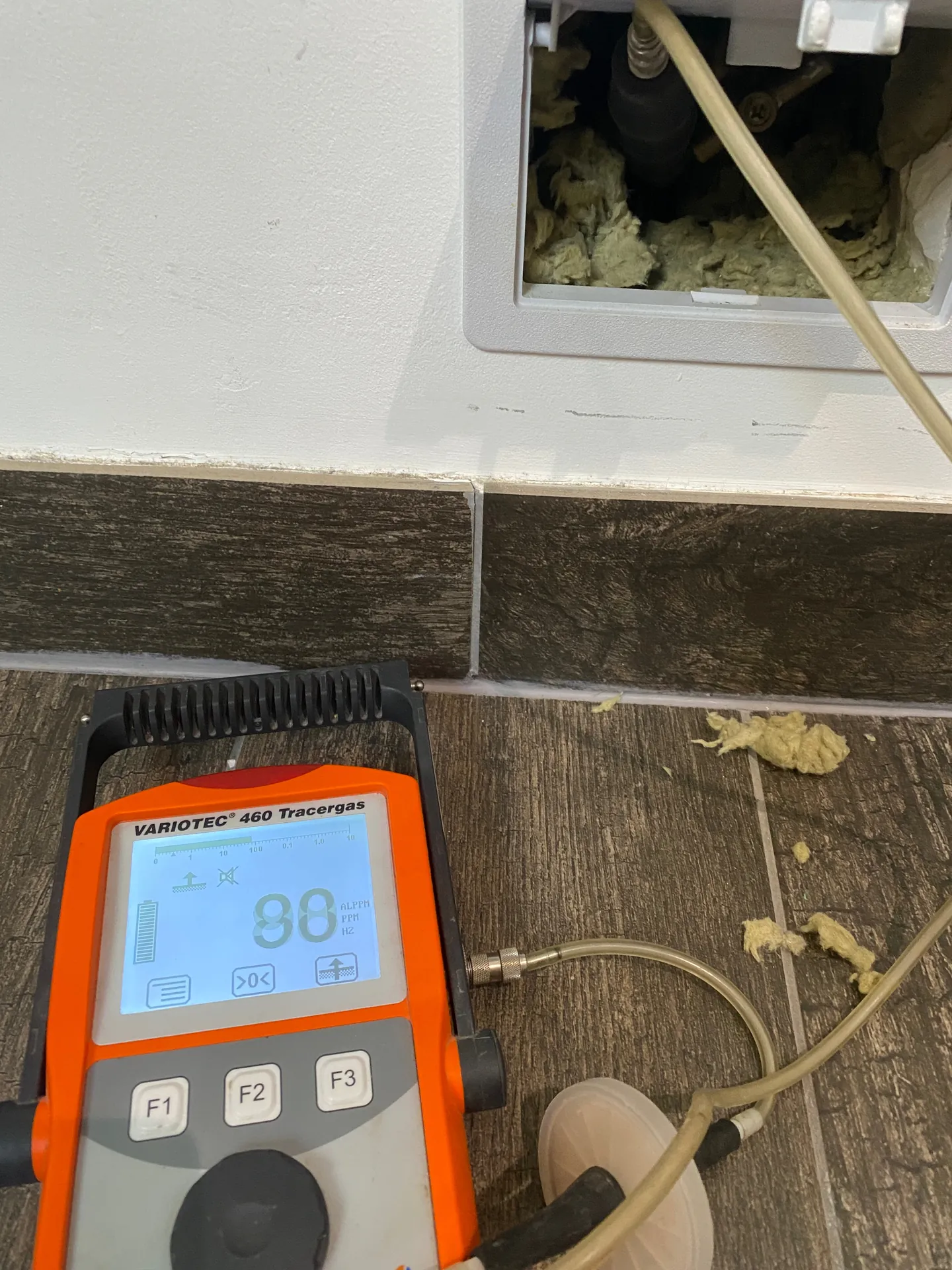
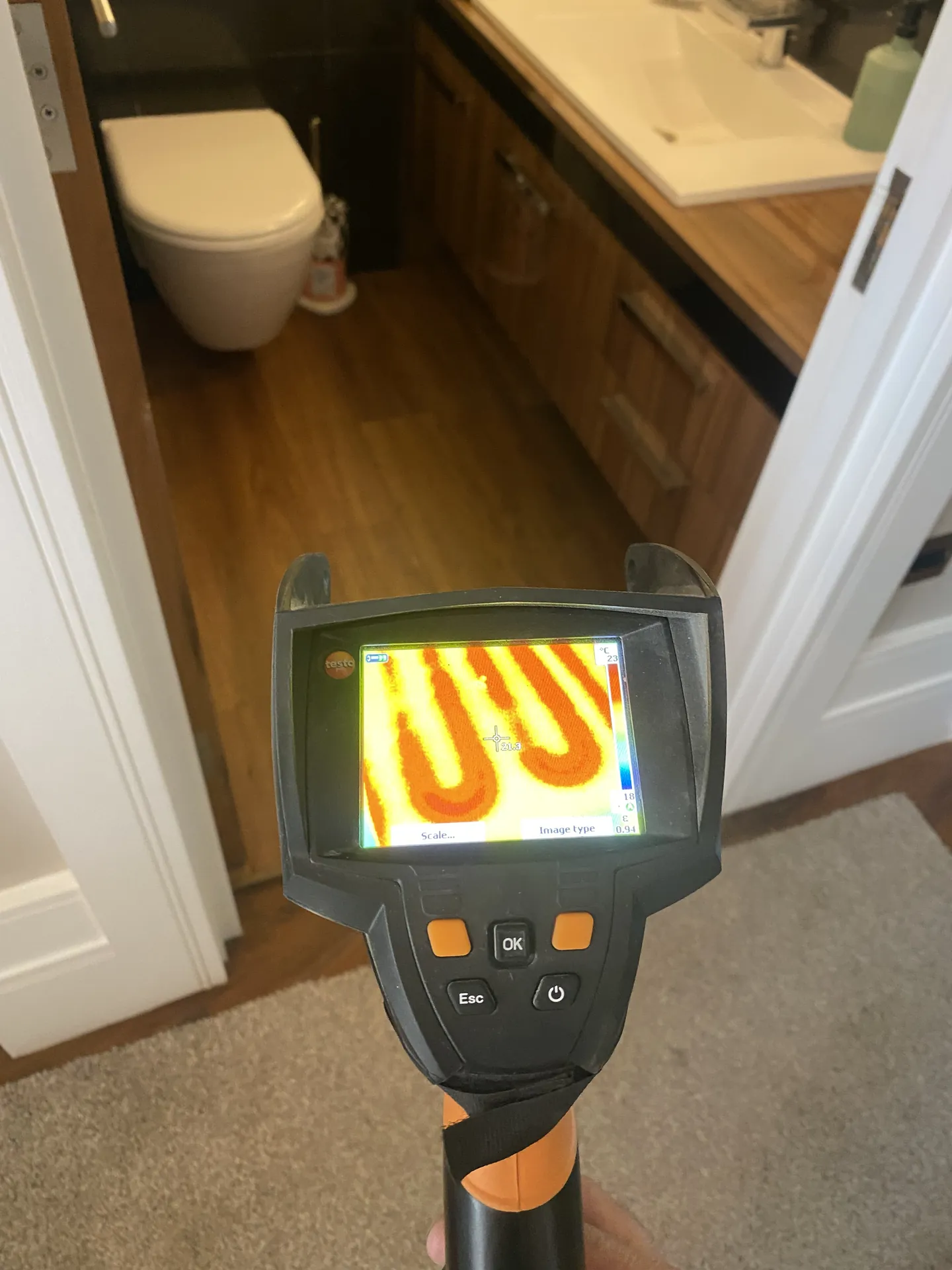
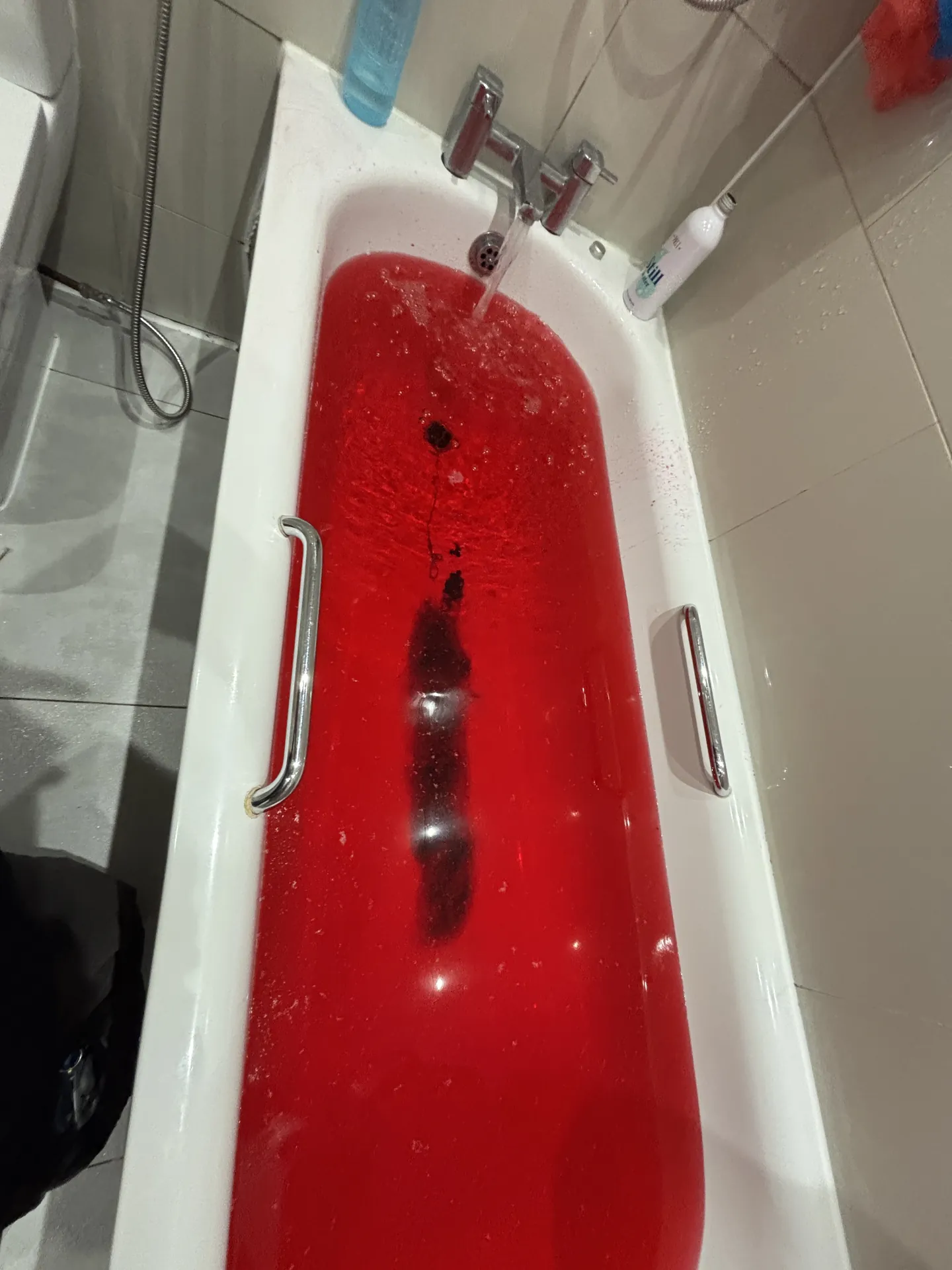
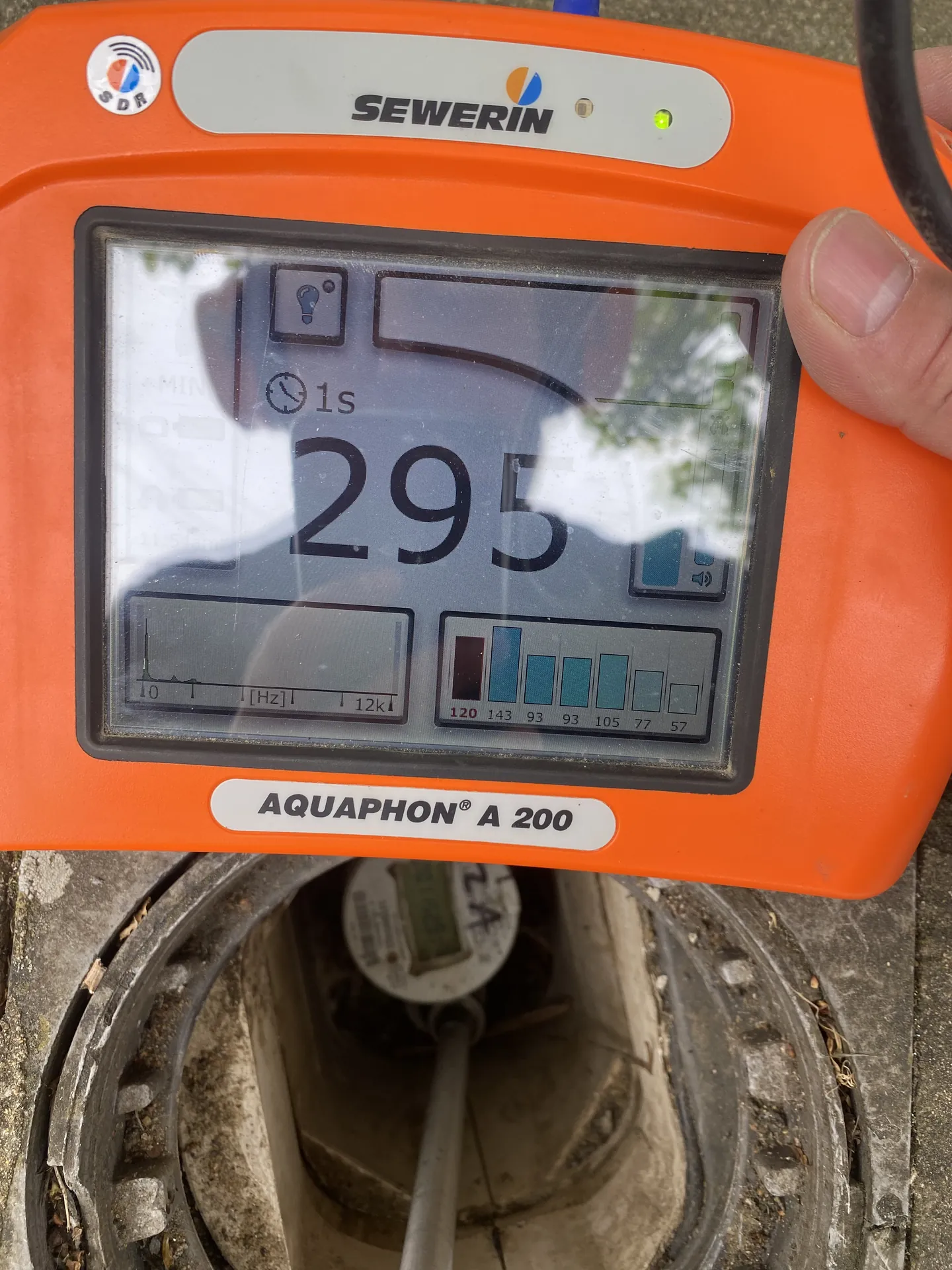
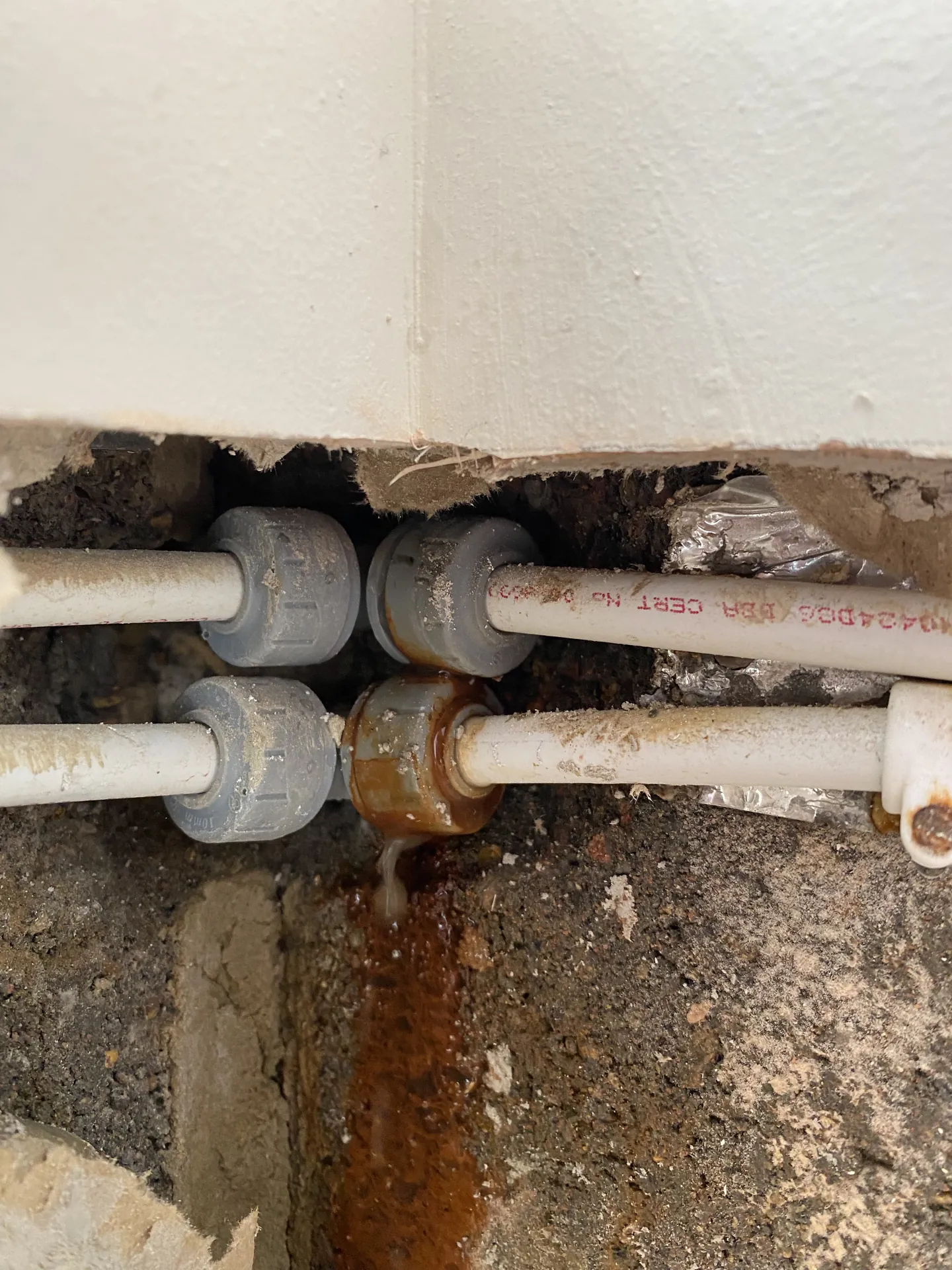
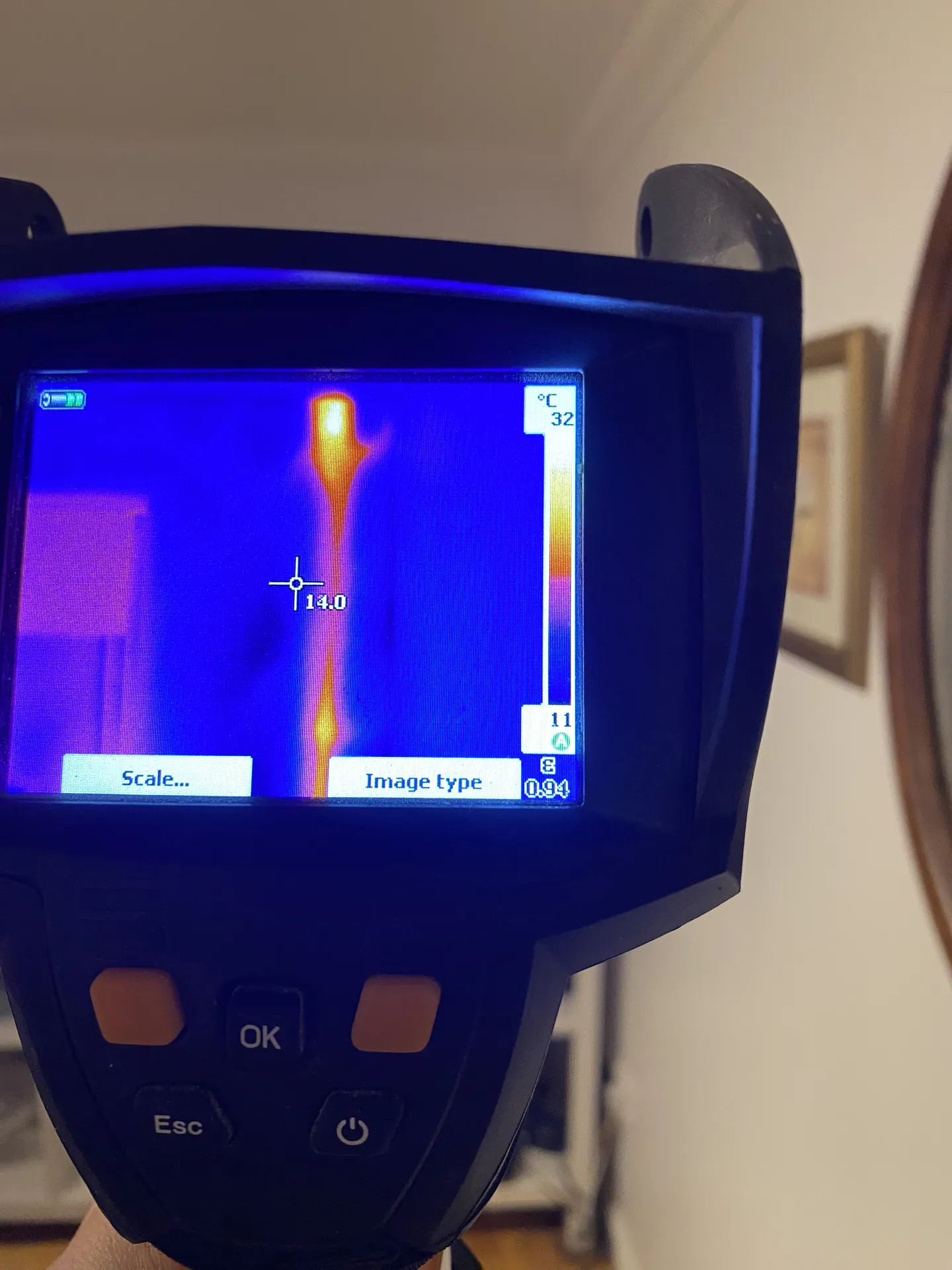
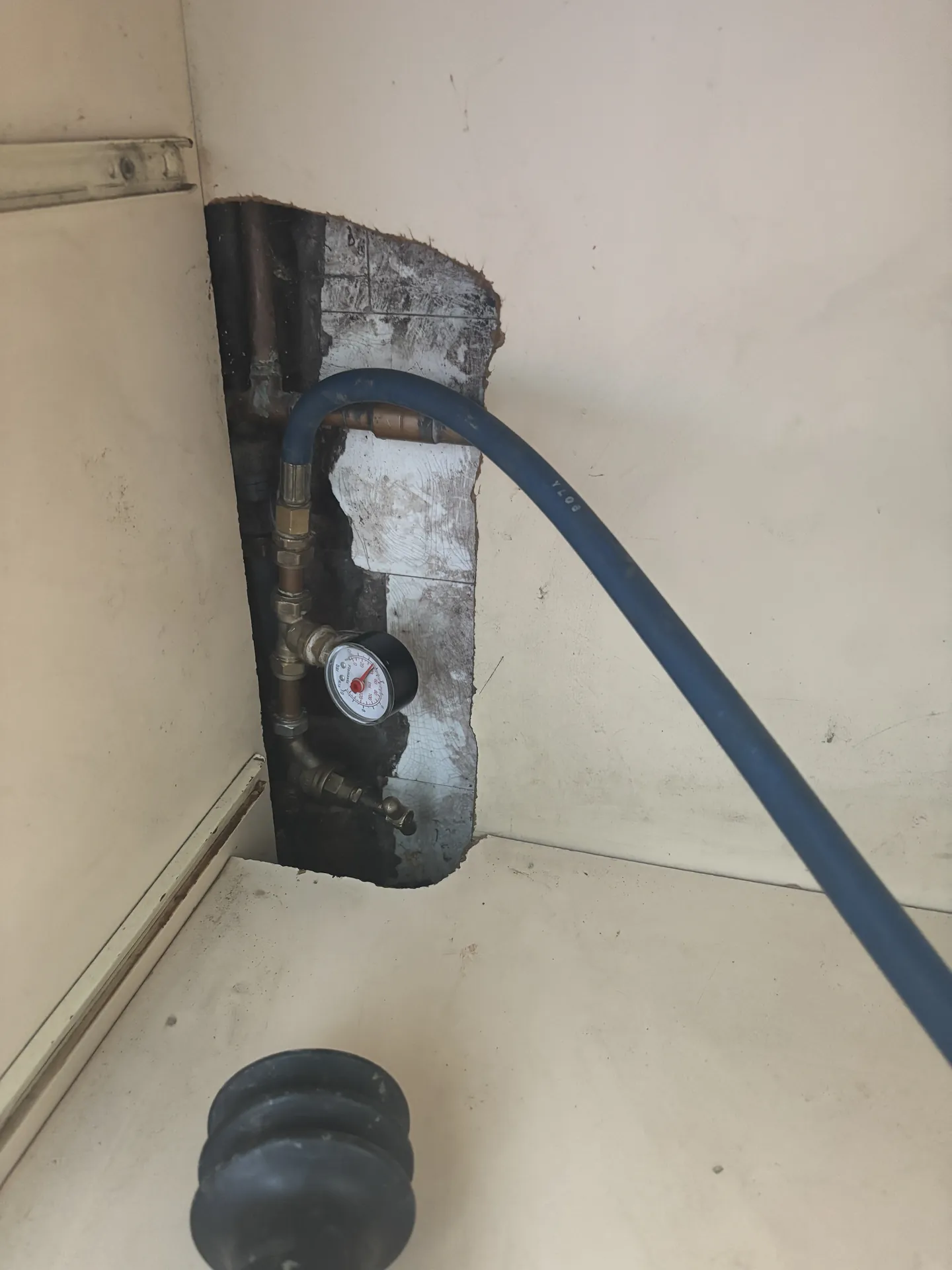
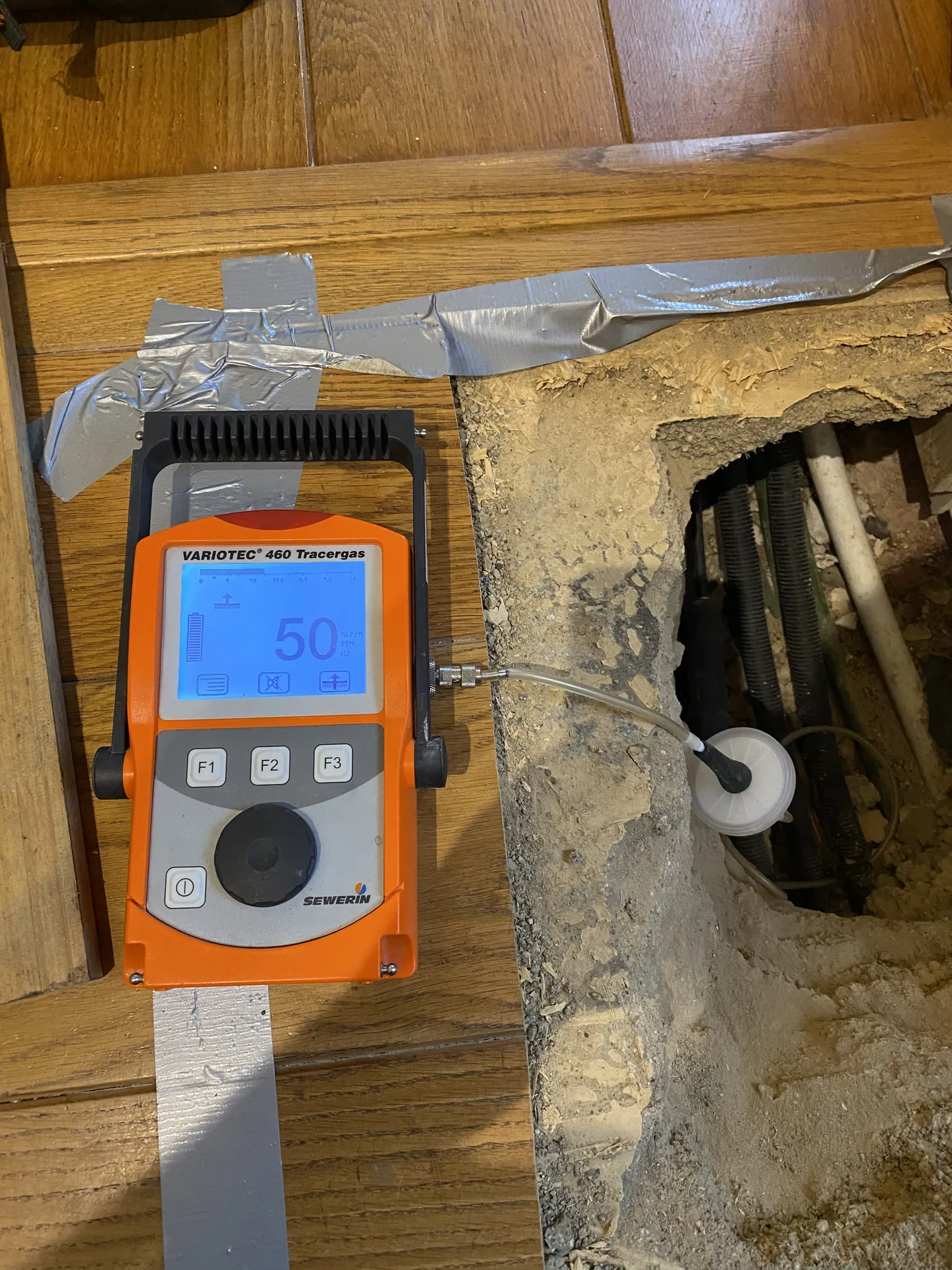
We work through the sources one at a time. Communal risers are pressure tested where valves allow, and the thermal camera shows which hot pipes run where behind the riser cupboard walls. In the flat above we test the bath, shower and basin wastes with dye, check appliance connections and take moisture readings across the floor. The acoustic microphone and tracer gas cover pipes that are buried in the screed between floors. Each test either clears a source or confirms it, and we note the result as we go. By the end there is one route the water has taken, with readings and images to support it.
The report is written knowing that several parties will read it. It states which pipe is leaking, whether it serves one flat or the building, where it sits in relation to the demise, and what was tested and ruled out. That lets the managing agent, the leaseholders involved, the freeholder and their insurers see the position without arguing over it. We liaise with residents for access, keep disruption in each flat to a minimum, and are happy to talk to the block insurer or loss adjuster about the findings. Which policy responds is for the insurers and the lease to settle, not us.
In our own photos
From your first call to a leak you can see in the report
Call or WhatsApp with a few photos and a line about the symptoms. We ask a handful of questions, agree a fixed price and book the survey, usually for the same or the next day.
On arrival we pressure test the mains, hot water and heating, check the meter and test the escaping water, so we know what we are looking for before the detection starts.
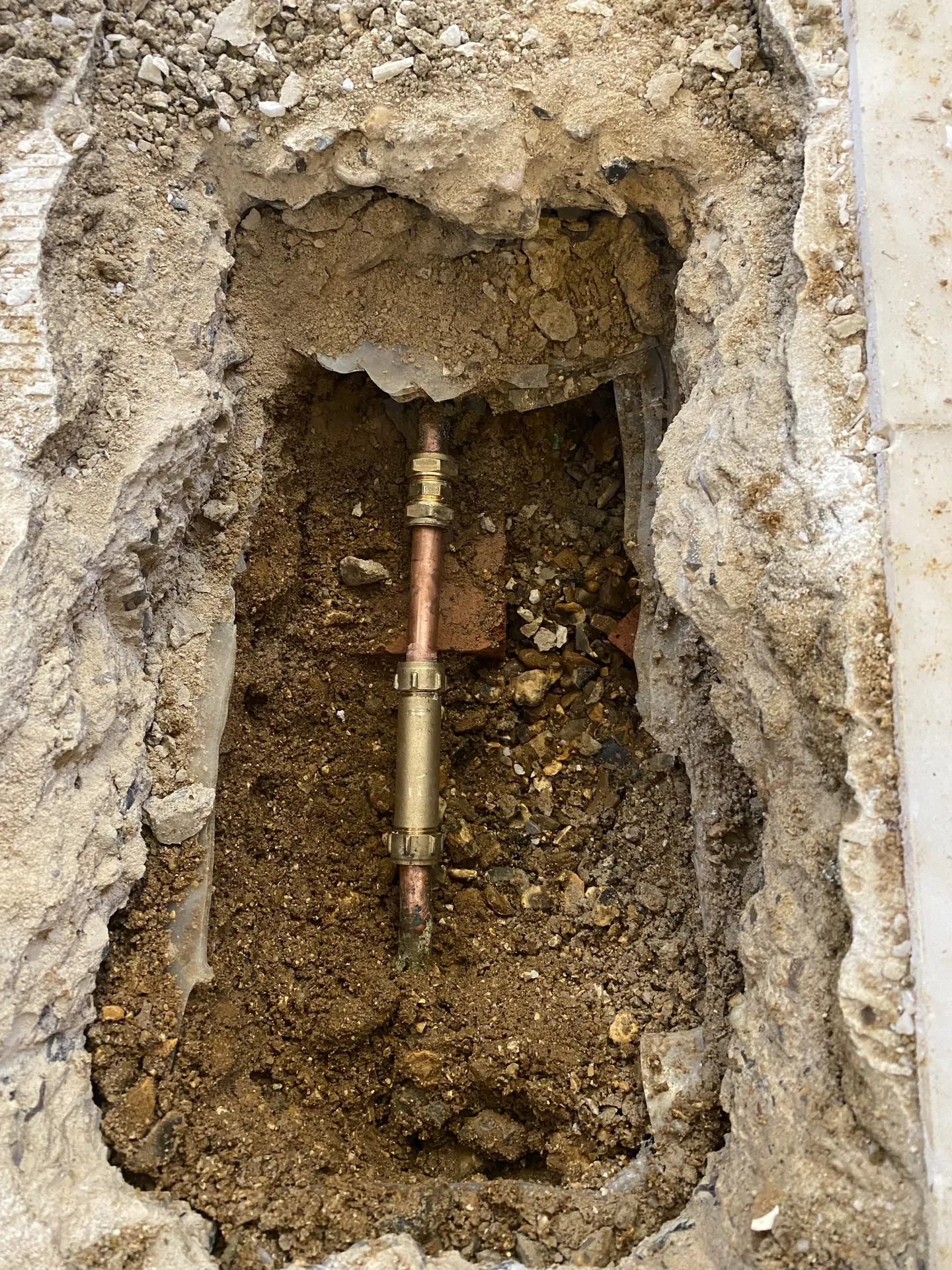
Thermal imaging, the acoustic ground microphone and tracer gas are used as the pipework dictates until the leak is marked on the floor or wall.
You get a written report with readings, thermal images and photographs, ready for a trace and access claim. If you want the leak fixed, we open that one spot and repair it.
A report your insurer can act on
Most buildings insurance policies include trace and access cover for finding a hidden leak and making good the way in. Our report is written for that claim: what we tested, what we found, where it is, with photographs, thermal images and readings.
- Turn off the stop tap or the heating and stop topping up
- Photograph the damage, the boiler gauge and the meter
- Tell your insurer a leak is suspected and detection is being arranged
- Trace and access pays to find the leak and make good the access
Blocks of flats: questions answered
Who is responsible for a leak in a block of flats?
It depends on where the leaking pipe sits and what the lease says. Pipes that serve only one flat are usually that leaseholder's, while communal risers and shared services usually fall to the freeholder or management company. Our report shows which pipe it is and where it sits so that question can be answered from the lease rather than guessed at.
Can you tell whether the leak is from the flat above or a communal pipe?
Yes, that is the point of testing each source separately. Dye in the bathroom fittings upstairs, pressure tests on the risers and test strips on the escaping water show which system the water belongs to. The thermal camera and moisture readings then show the route it has taken.
Do you need access to every flat?
Usually only the flat where the water is showing and the one or two above it, plus the riser cupboards and any plant room. We arrange access through the managing agent or directly with residents, and we tell you in advance which flats we need and for roughly how long.
Can you work with our managing agent and the block insurer?
Yes. We take instruction from managing agents as well as individual leaseholders, and write the report so a claims handler or loss adjuster can follow it. Detection, access and repair are kept separate in the report because block policies and individual policies often respond to different parts of the loss.
Will residents need to move out or lose their water supply?
Not for the survey. The methods work through finished surfaces and the testing takes a few hours. If a communal riser has to be isolated for a pressure test or a repair we agree the time with the agent so residents can be warned.
Related services
Need leak detection in blocks of flats?
Call now and we will tell you straight away whether it needs a same-day visit. Or send a photo of the stain, the meter or the boiler gauge on WhatsApp.
07516 755 680