Trace and Access Cover Explained
Trace and access is the part of a buildings insurance policy that deals with finding a hidden leak and putting right the opening made to reach it. This page explains what it usually covers, what it usually does not, and what your insurer will want to see.
Trace and access cover: what you need to know
Trace and access cover is a section found in many buildings insurance policies. It exists because a hidden leak cannot be repaired until someone has found it, and finding it can mean opening a floor, a wall or a ceiling. The cover is there to pay for locating the leak and for making good whatever had to be opened to reach it. It is sometimes listed under a different heading, such as finding the source of a leak, so look for that wording as well. Not every policy includes it, and some include it only as an optional extra, which is why the first step is always to read your own policy document.
Escape of water cover is different. It deals with the damage the water has caused: the stained ceiling, the lifted floor, the ruined kitchen units. Trace and access deals with the cost of finding where the water came from and repairing the access, not the damage. The two sections usually sit side by side in the same policy, each with its own conditions and its own limit. A claim after a hidden leak often draws on both. In simple terms, escape of water pays to put the house back as it was, and trace and access pays for the detective work and the hole that work needed.
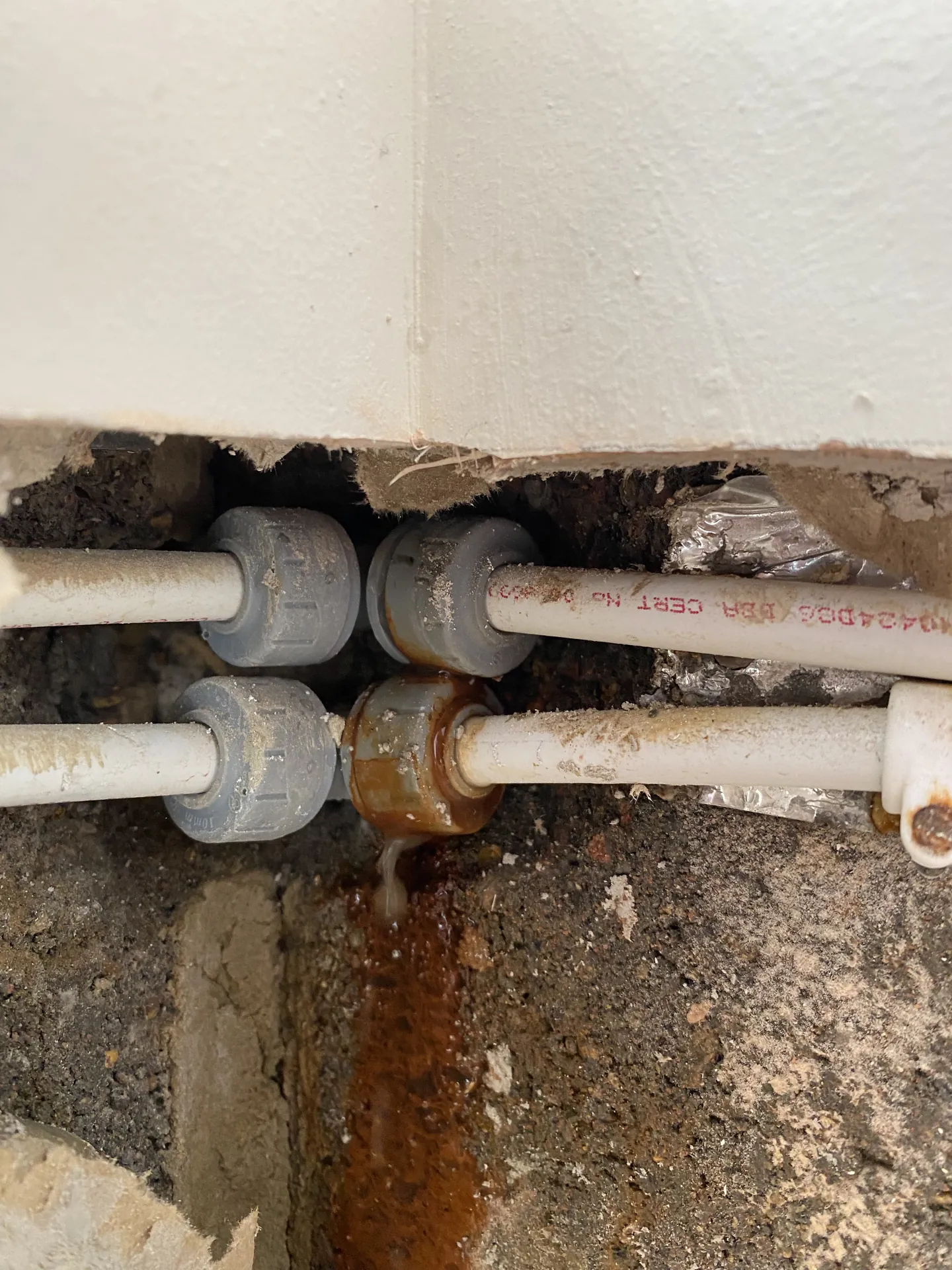
The repair of the leaking pipe itself is usually not paid for under either section. Insurers tend to treat a worn joint or a corroded pipe as maintenance, which is the owner's responsibility, while the damage that pipe caused is treated as an insured event. Policies also have their own limits for trace and access, and their own excess, and some treat gradual leaks differently from sudden ones. We do not quote figures here because every policy is different and wordings change. Read the limit and the exclusions in your own schedule, and ask your insurer if anything is unclear before work starts.
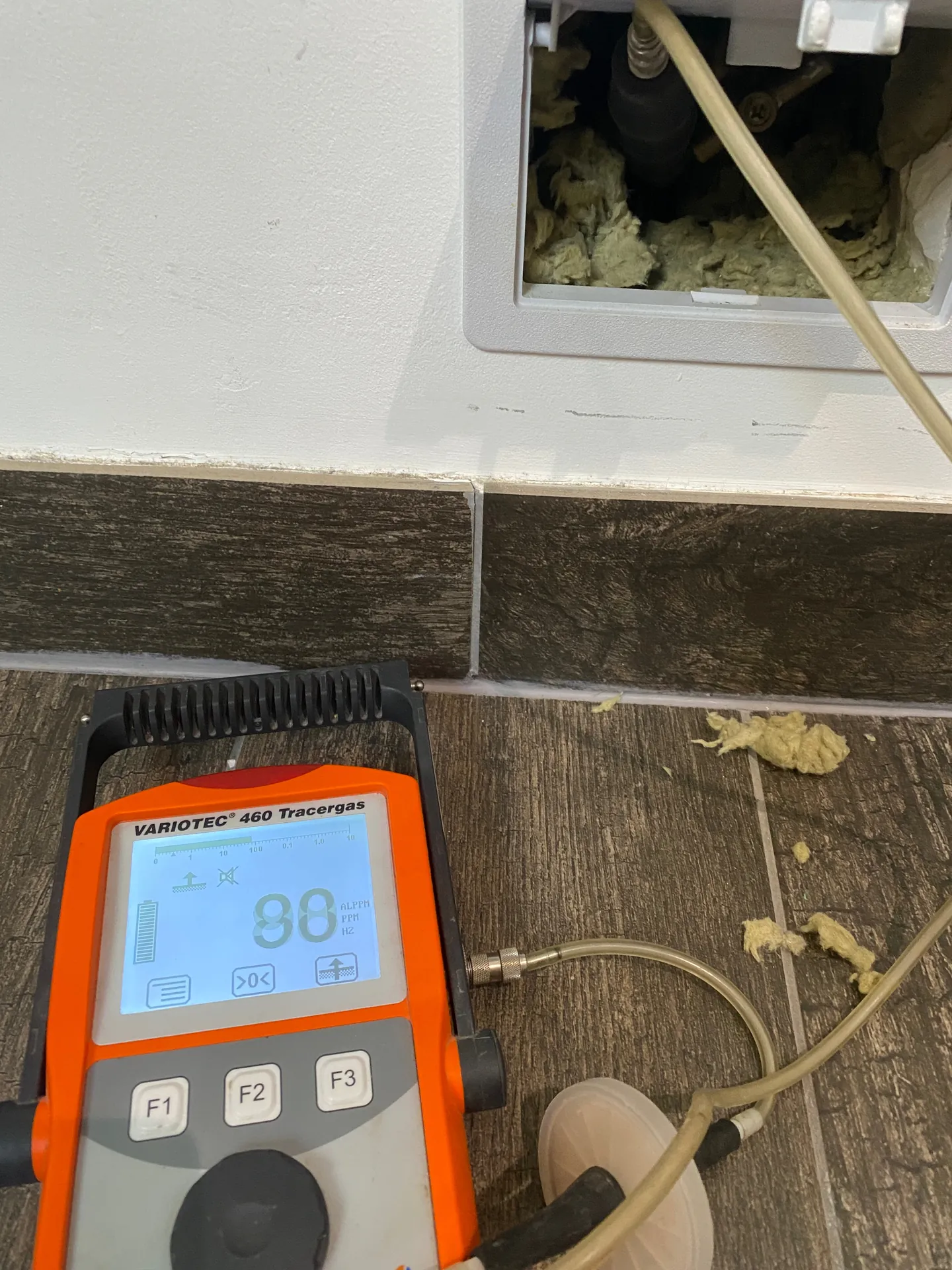
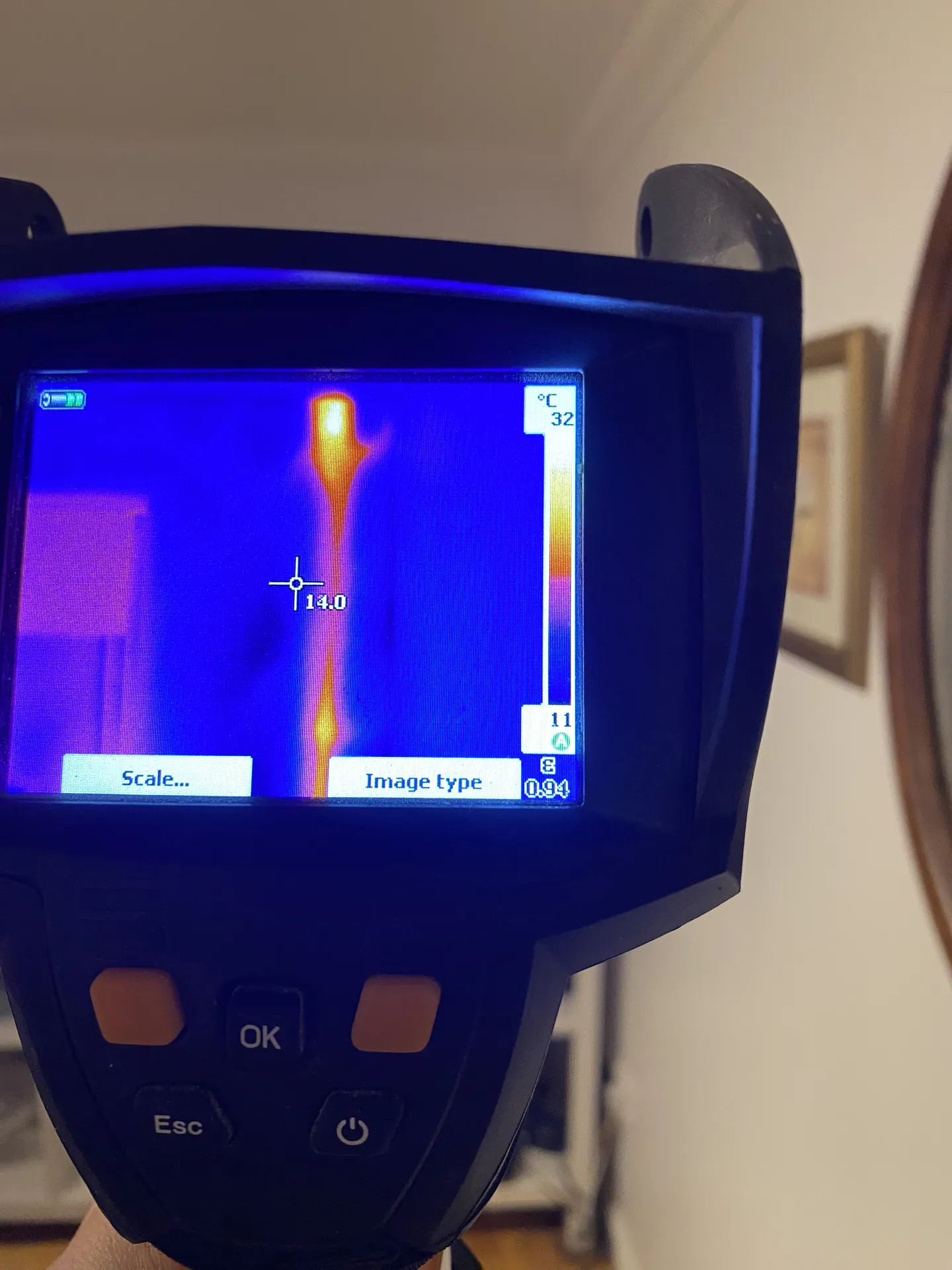
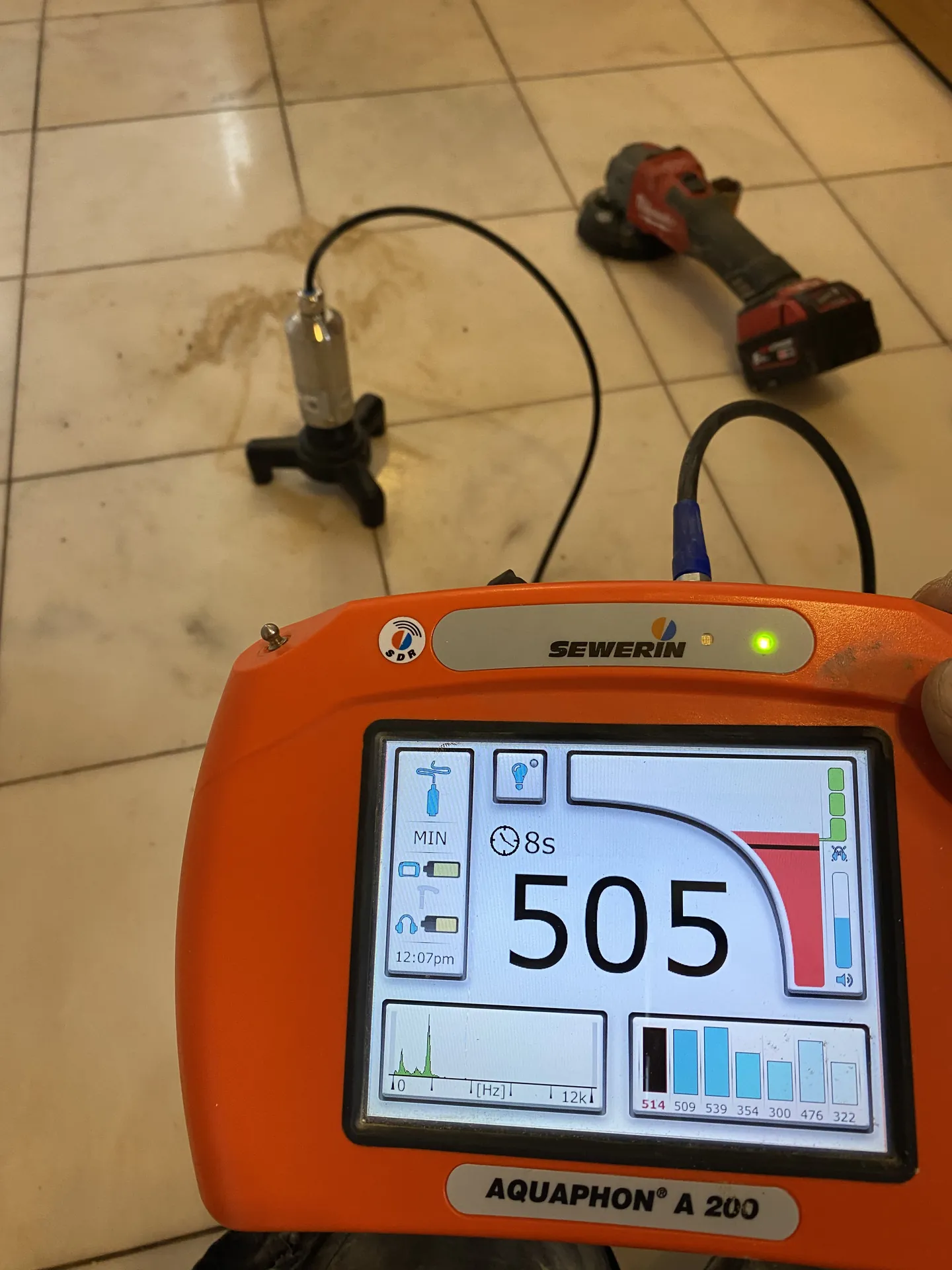
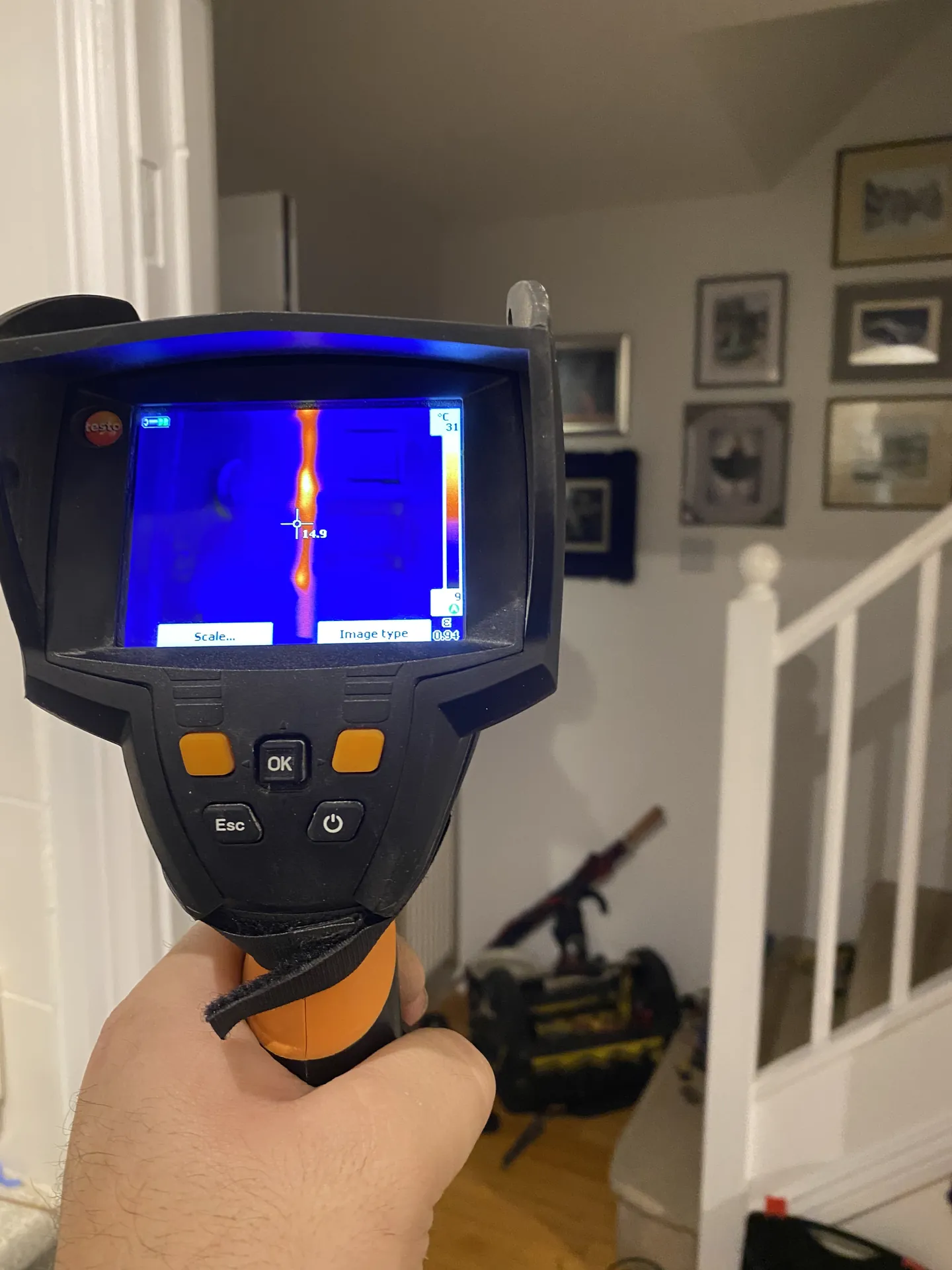
Insurers generally expect the leak to have been found and documented before they settle a trace and access claim. A claims handler cannot assess a hole in a floor without evidence that the leak was behind it. That means a written record of the symptoms, the systems tested, the methods used and the readings, with photographs and thermal images, and the leak position marked on a plan. It also helps to tell the insurer early that a leak is suspected and that detection is being arranged. Most are content for you to choose your own specialist, and an early call avoids questions later.
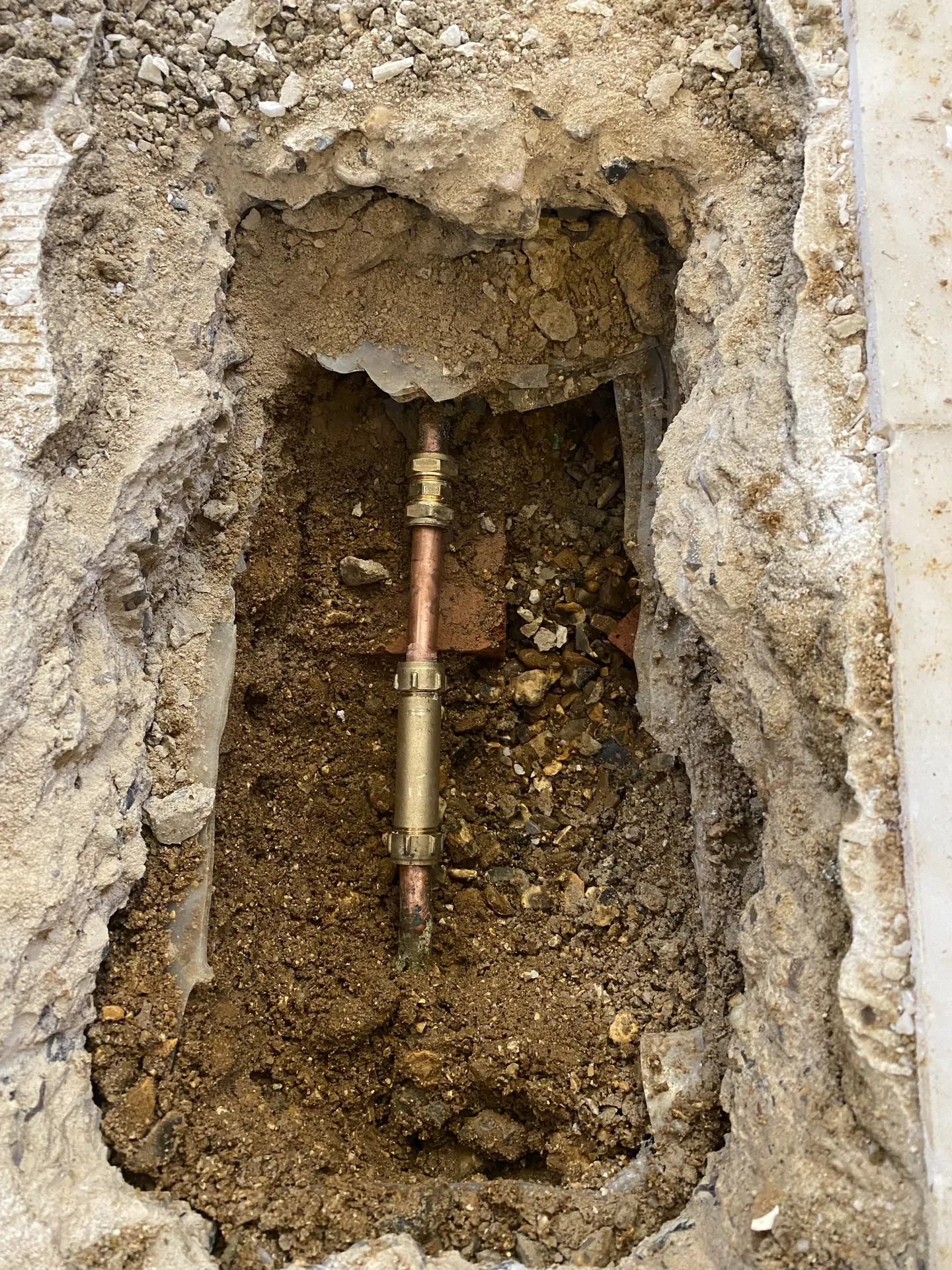
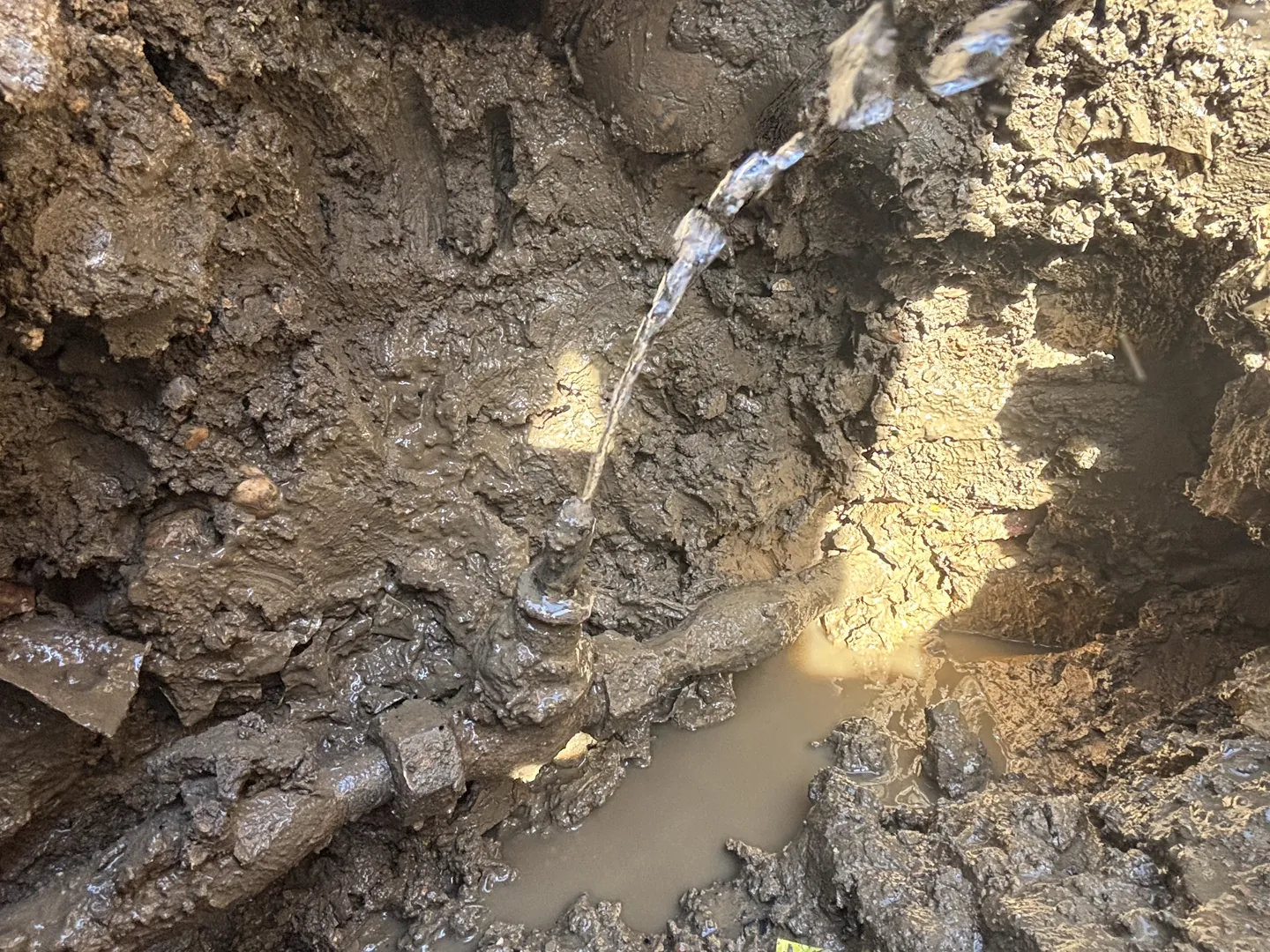
Our survey report is written with that claims handler in mind. It keeps three things separate: the detection, the access opened to reach the leak, and the pipe repair. Each is photographed and described on its own, so the handler can see which part of the invoice belongs to which part of the policy. The thermal images and the acoustic or tracer gas readings show why the opening was made where it was and not somewhere else. If a loss adjuster wants to talk through the findings, they can call us. This page is general guidance only, not legal or financial advice, and your policy wording always takes precedence.
What this looks like in practice
How we help
Trace and access insurance reports
Leak detection carried out and documented the way insurers expect, with a report your claims handler can act on straight away.
Insurance reportsWater leak detection
Hidden leaks behind walls, under floors and in ceilings, pinpointed with thermal, acoustic and tracer gas kit before anything is opened up.
Water leaks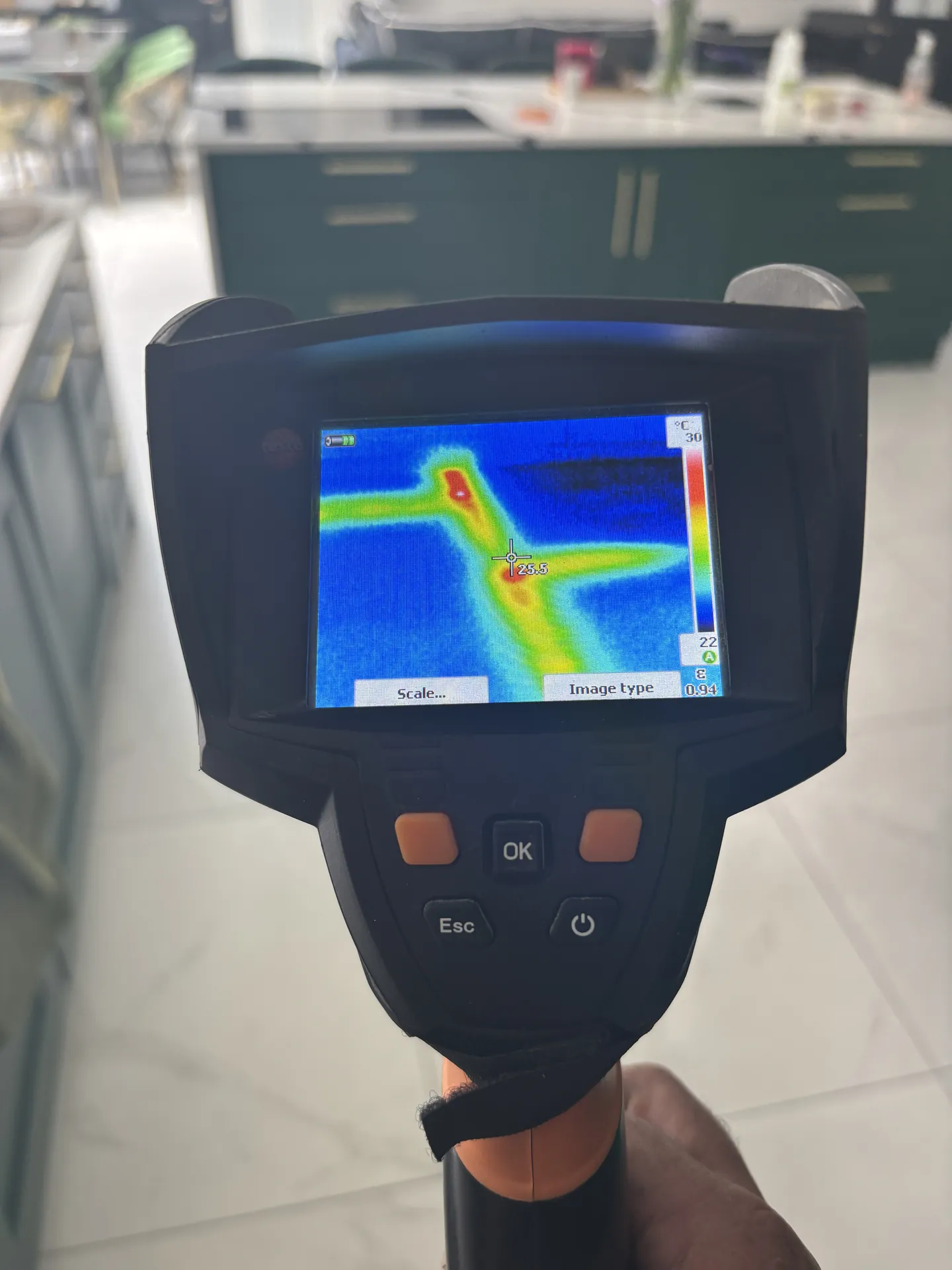
Thermal imaging leak surveys
A thermal imaging camera shows warm pipe runs and cool wet patches through floors and walls, so the leak is seen before anything is opened.
Thermal imagingFrom your first call to a leak you can see in the report
Call or WhatsApp with a few photos and a line about the symptoms. We ask a handful of questions, agree a fixed price and book the survey, usually for the same or the next day.
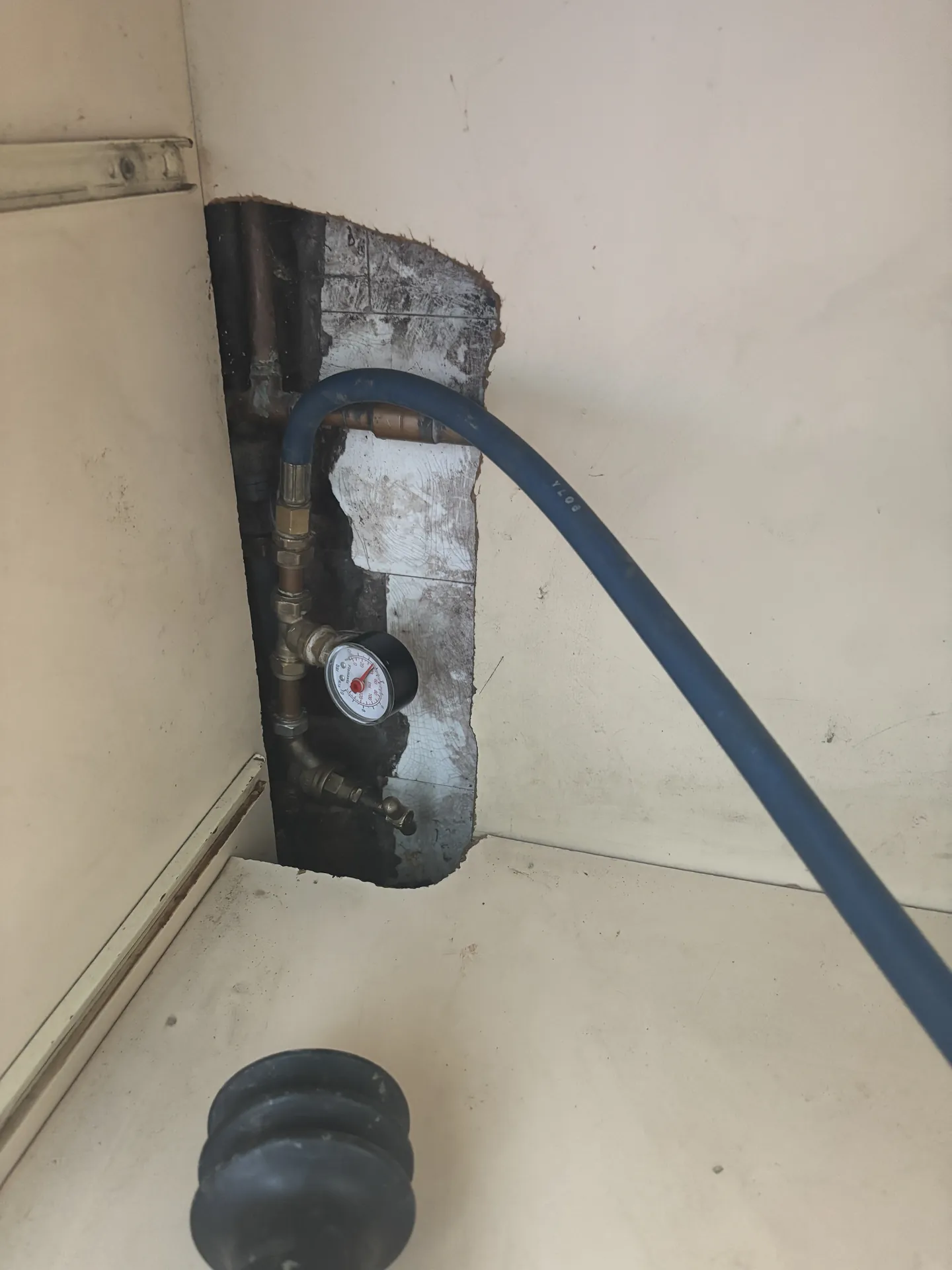
On arrival we pressure test the mains, hot water and heating, check the meter and test the escaping water, so we know what we are looking for before the detection starts.
Thermal imaging, the acoustic ground microphone and tracer gas are used as the pipework dictates until the leak is marked on the floor or wall.
You get a written report with readings, thermal images and photographs, ready for a trace and access claim. If you want the leak fixed, we open that one spot and repair it.
Trace and access cover: questions answered
What does trace and access mean on my policy?
It means the policy will pay, up to its stated limit, for finding the source of a hidden leak and for repairing the floor, wall or ceiling that was opened to reach it. The exact wording varies, so read the definition in your own policy document.
Does home insurance cover leak detection?
Many buildings policies do, through trace and access cover, but not all of them. Some include it as standard, some as an optional extra and some not at all. Your policy schedule and the full wording will tell you which applies to you.
Is the leaking pipe repaired under trace and access?
Usually not. The repair of the pipe is commonly treated as maintenance and excluded, while the cost of finding it and the damage it caused may be covered. Our report lists the repair separately so the claim is clear.
Do I need a leak detection report before I claim?
Insurers generally want evidence that the leak has been located and what it took to find it. A survey report with readings, images and a marked location is the usual form of that evidence, and it is what our report is written to provide.
Will you speak to my insurer or loss adjuster?
Yes. If the claims handler or loss adjuster has questions about the methods, the readings or the position of the leak, they can call us and we will take them through the report. We cannot say what an insurer will decide, only show clearly what was found.
Want it looked at rather than read about?
Call now and we will tell you straight away whether it needs a same-day visit. Or send a photo of the stain, the meter or the boiler gauge on WhatsApp.
07516 755 680