Water Coming Through the Ceiling? Find the Source
A damp patch, a brown stain or a drip from a ceiling has a source somewhere above it, and that source is often not directly over the mark. We find out whether it is plumbing, heating, a tank, the flat above or rain before anyone cuts the ceiling.
Ceiling leak: what is usually going on
A ceiling is the underside of a floor void, and almost everything that carries water in a house runs through that void. Above a ground floor ceiling there may be a bathroom with a bath, shower tray, toilet and basin, each with its own waste and seals. There may be central heating pipes feeding the radiators, a hot water cylinder, or a cold water tank in the loft. In a flat, the floor above belongs to someone else. Rain can reach a ceiling through a cracked tile, a blocked gutter or a failed flashing. Each of these leaves a different mark and leaks at a different time.
The timing tells you a lot before we arrive. A patch that grows after someone showers or baths points to the bathroom above. A stain that spreads when the heating is on, with a boiler that loses pressure, points to a heating pipe. A patch that only appears after rain points to the roof or a gutter. A steady drip with nothing in use is usually a mains pipe, a tank or a cylinder. A brown ring with a dry centre is an old leak that has stopped or comes and goes. A patch that is still dark and wet is live.
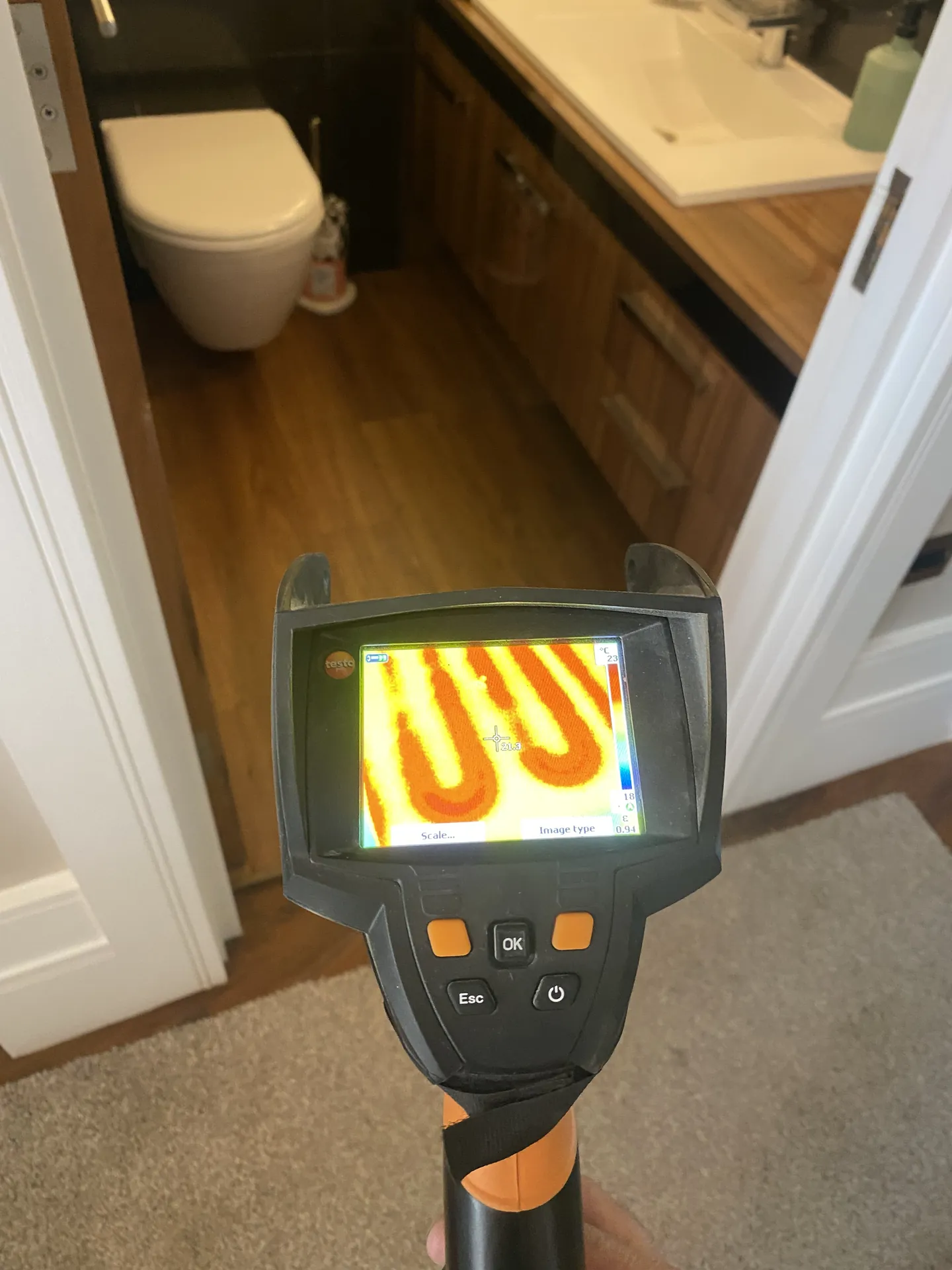
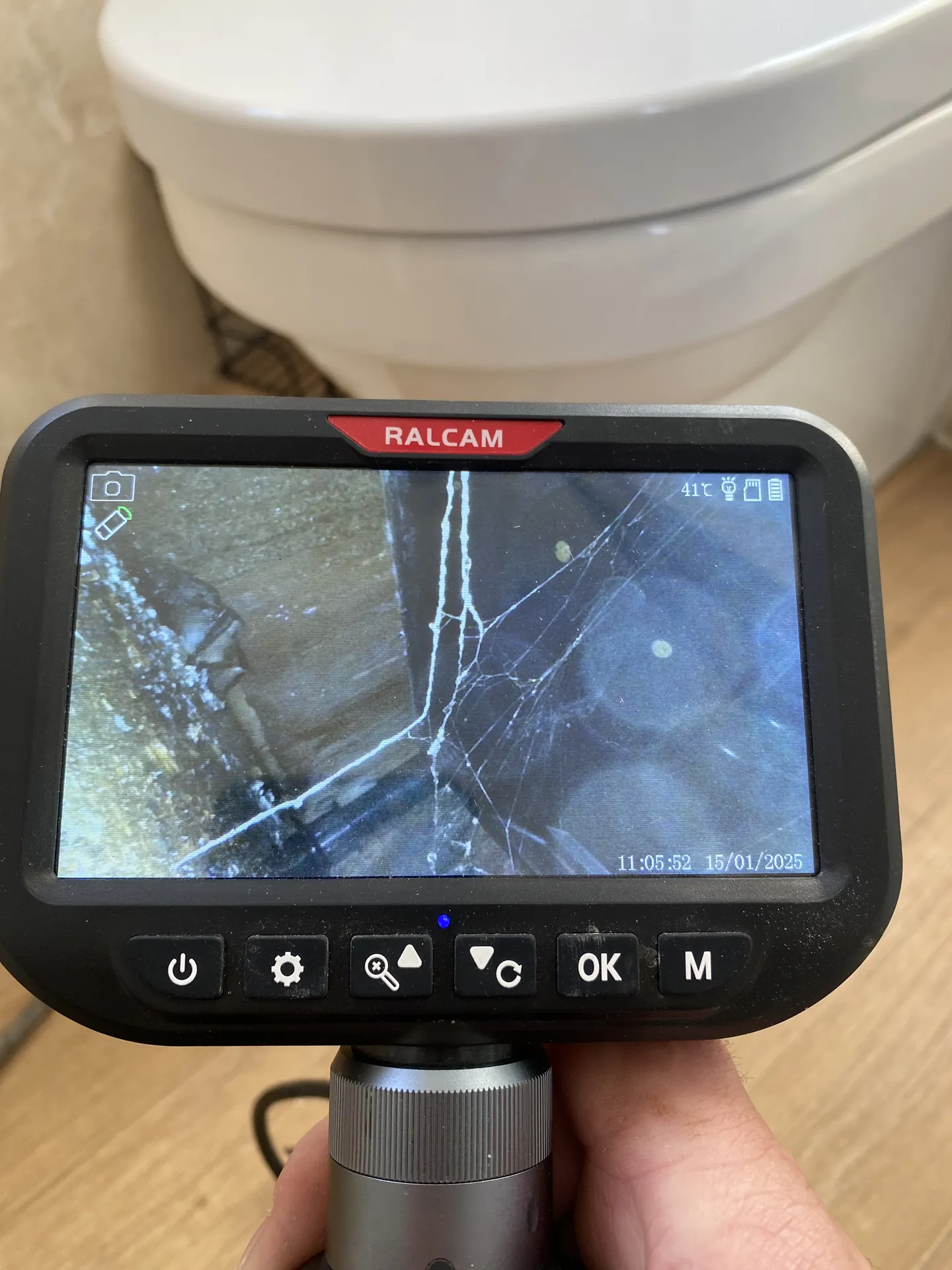
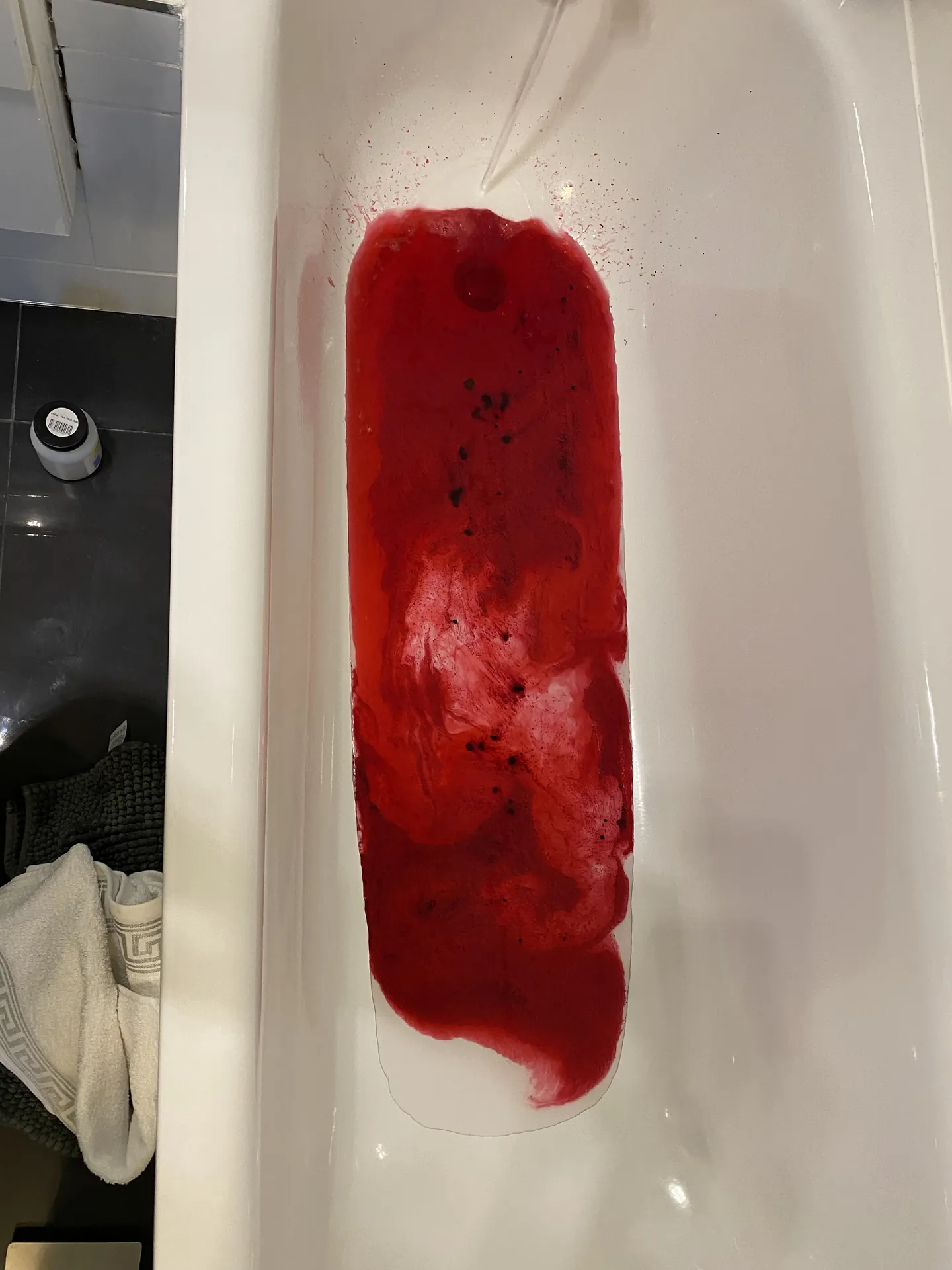
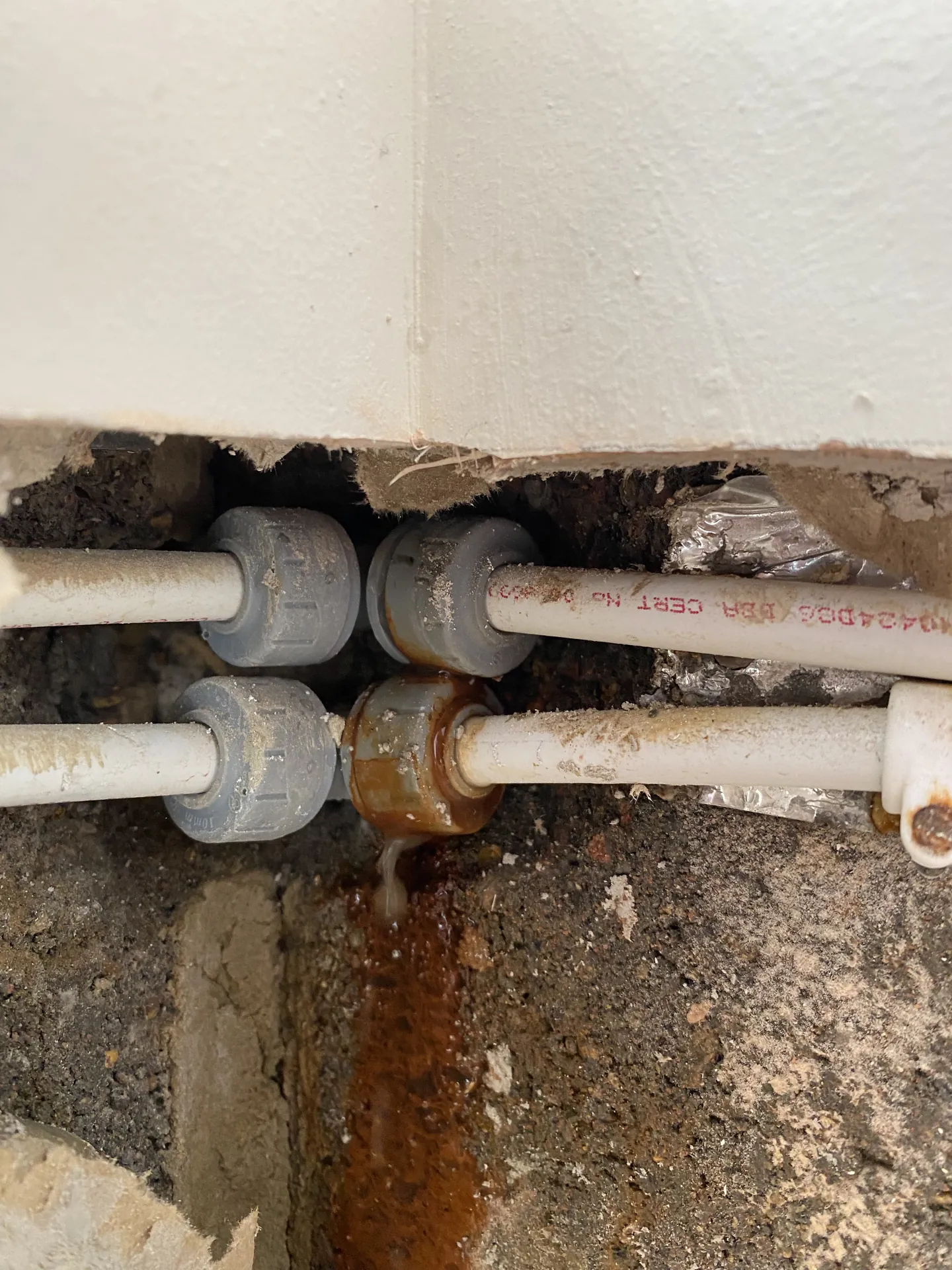
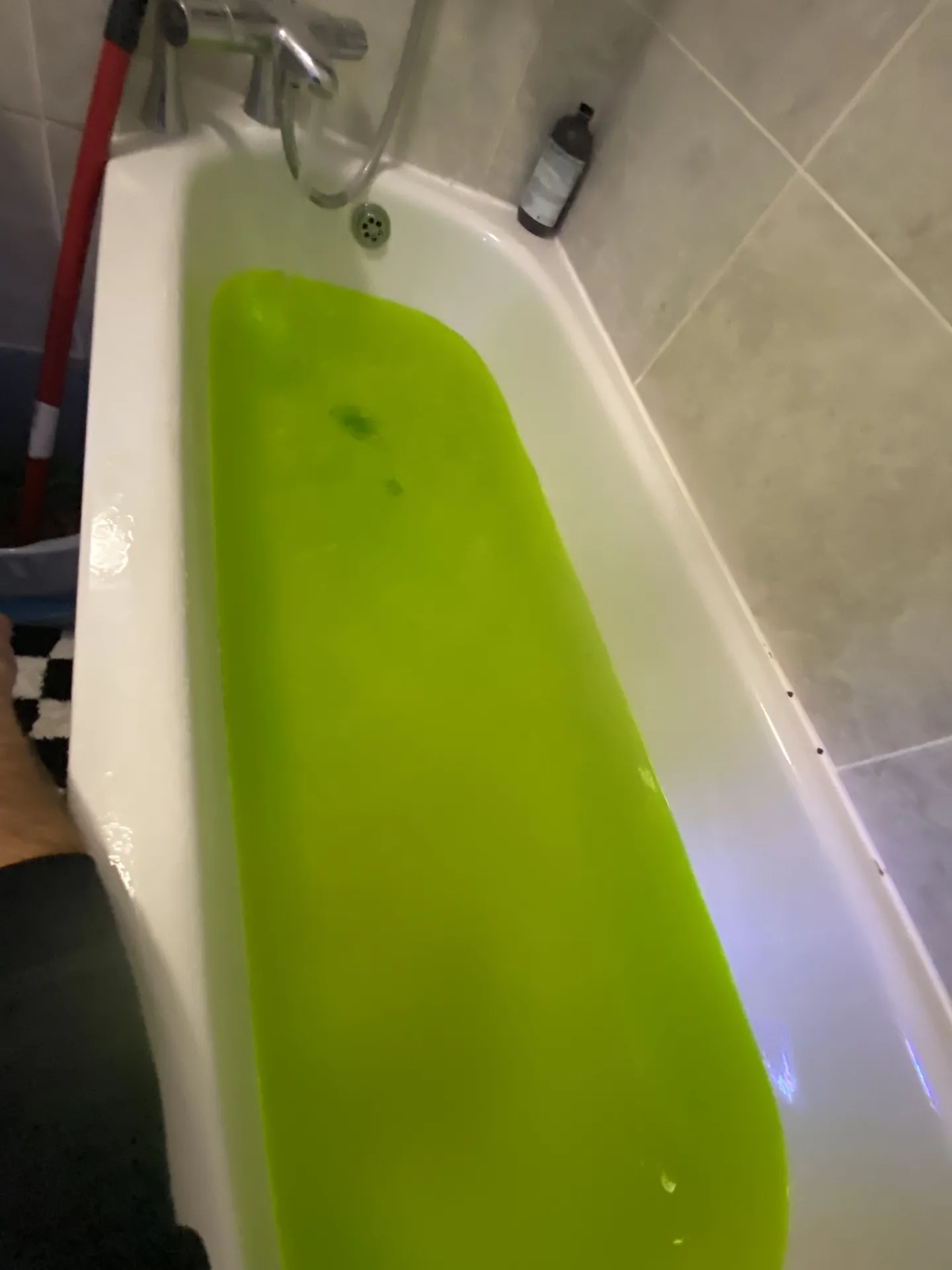
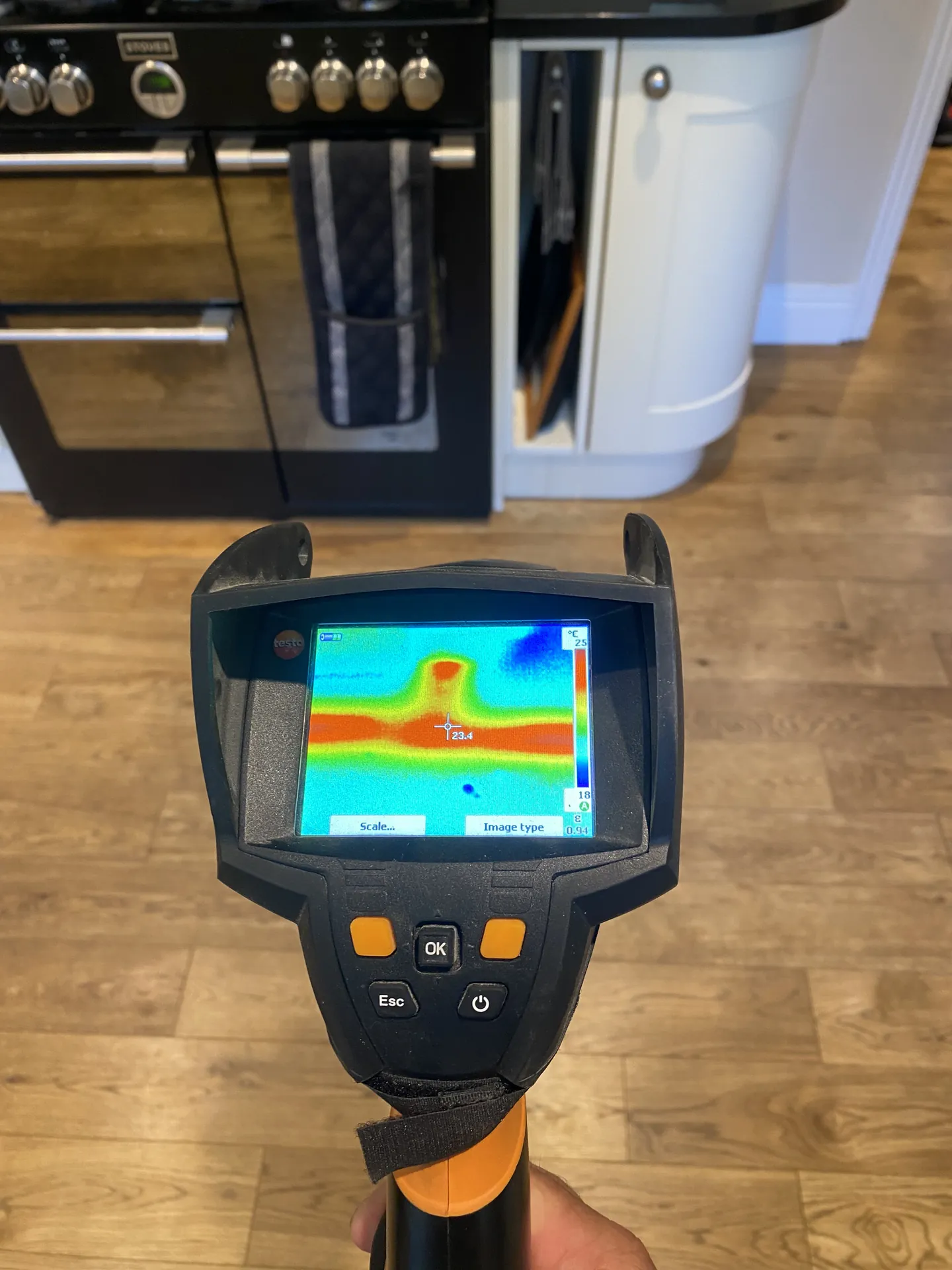
We do not cut the ceiling at the stain. Water runs along joists and plasterboard before it drips, so the stain is the lowest point, not the source. Upstairs we dye test each bathroom fitting and scan the floor with the thermal camera for heating pipes and the spread of water. Moisture readings are taken above and below. Where we need to see, a borescope goes through a hole the size of a coin, so the rest of the ceiling stays intact. If the water is from a flat above we can show where it is coming in, which helps when speaking to the neighbour or the managing agent.
A bulging ceiling is holding water. Do not stand under it and do not press it.Keep everyone out from under it, put a bucket below if water is dripping, and call us rather than piercing or cutting it yourself. Then close the stop tap if the drip does not slow. A ceiling that is sagging and heavy can come down, so keep children and pets out of the room. Once the source is located we photograph it, record the readings in a written report for your buildings insurer, and repair the pipe or fitting if you ask us to.
Call today if
- The ceiling is bulging, sagging or dripping steadily.
- Water is near a light fitting, or the light has stopped working.
- The patch spread quickly overnight or is still dark and wet to the touch.
- The leak is in a flat and the people above are away.
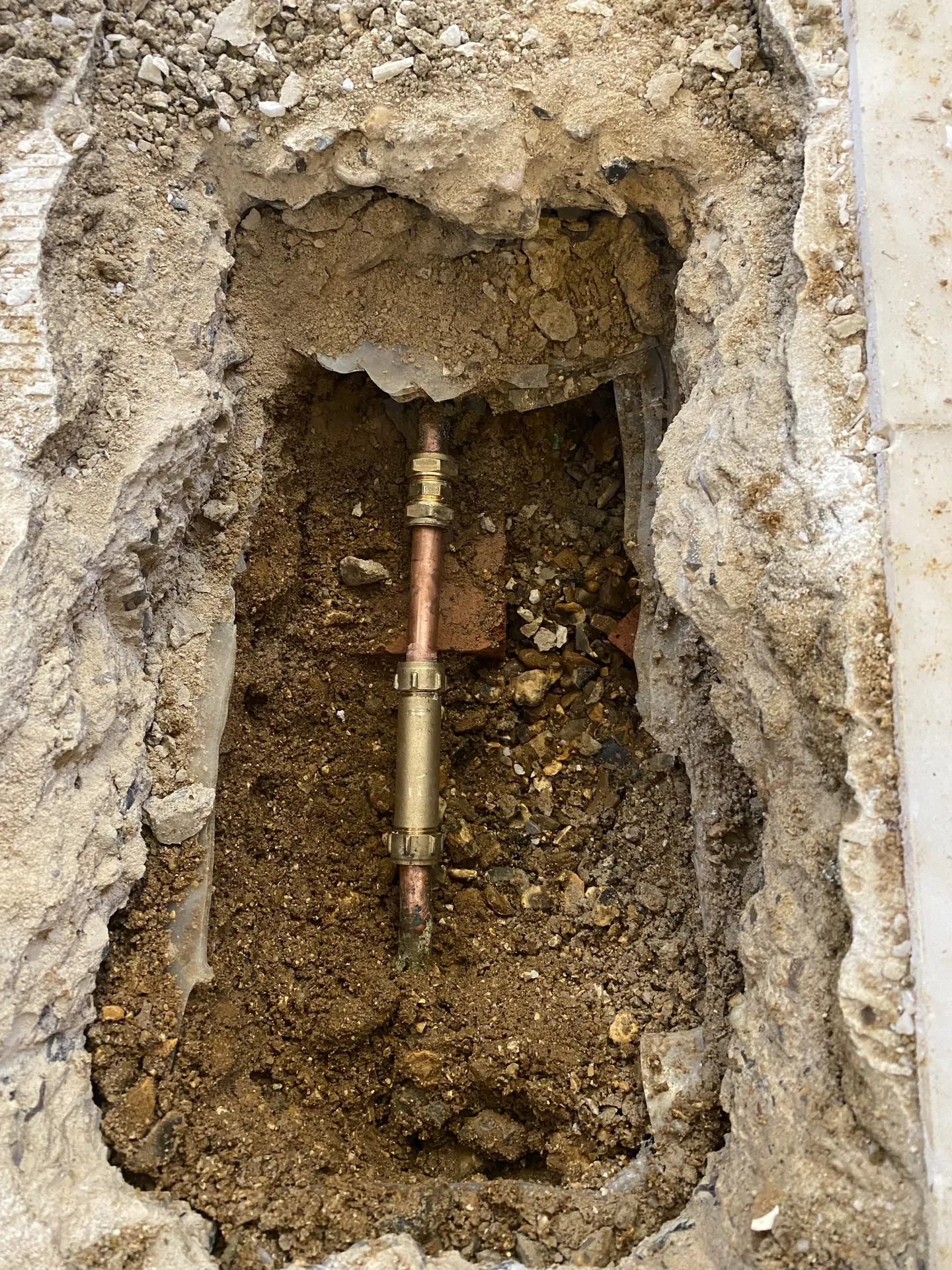
What this looks like on the day
How we would find this leak
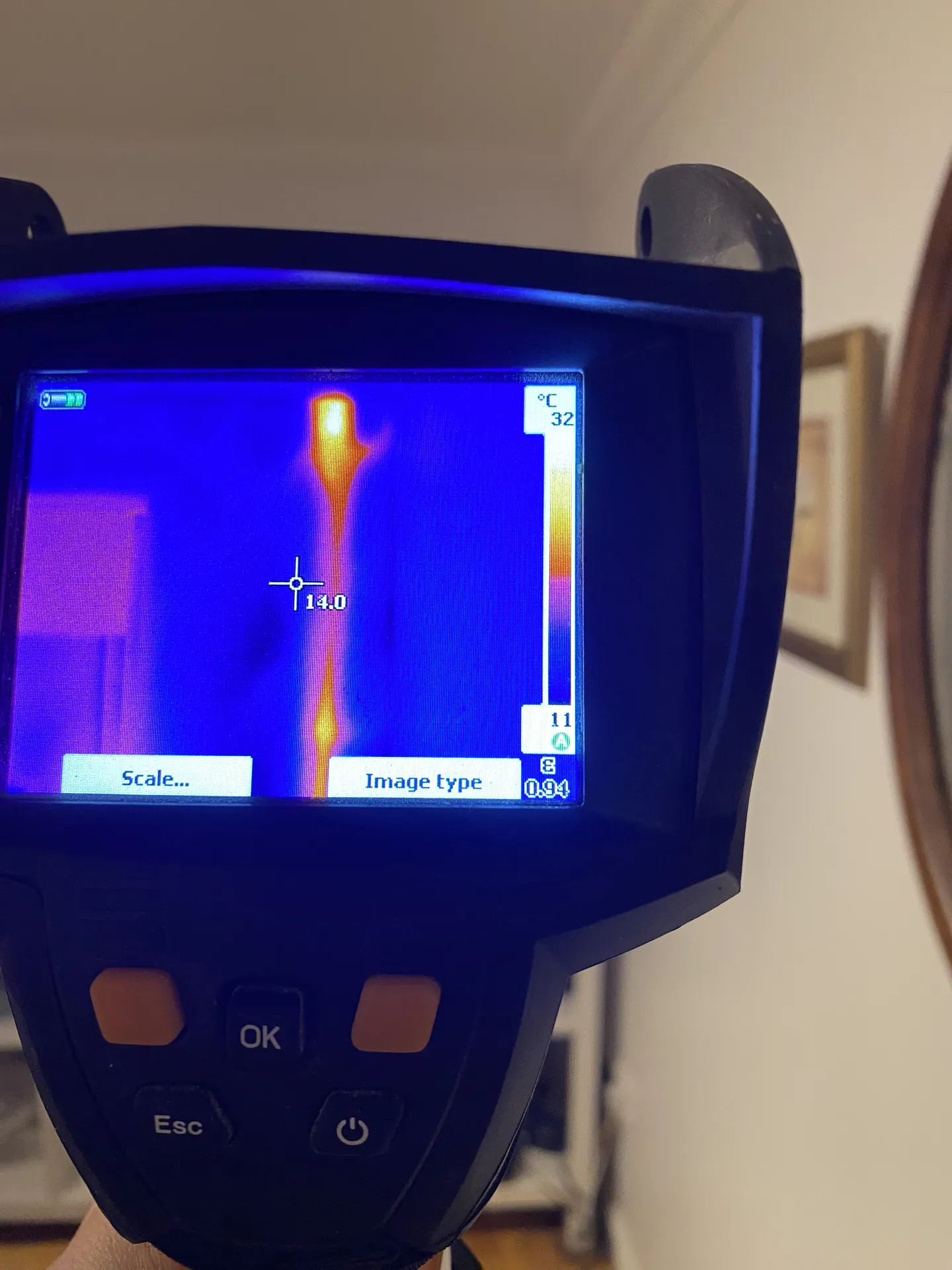
Water leak detection
Hidden leaks behind walls, under floors and in ceilings, pinpointed with thermal, acoustic and tracer gas kit before anything is opened up.
Water leaks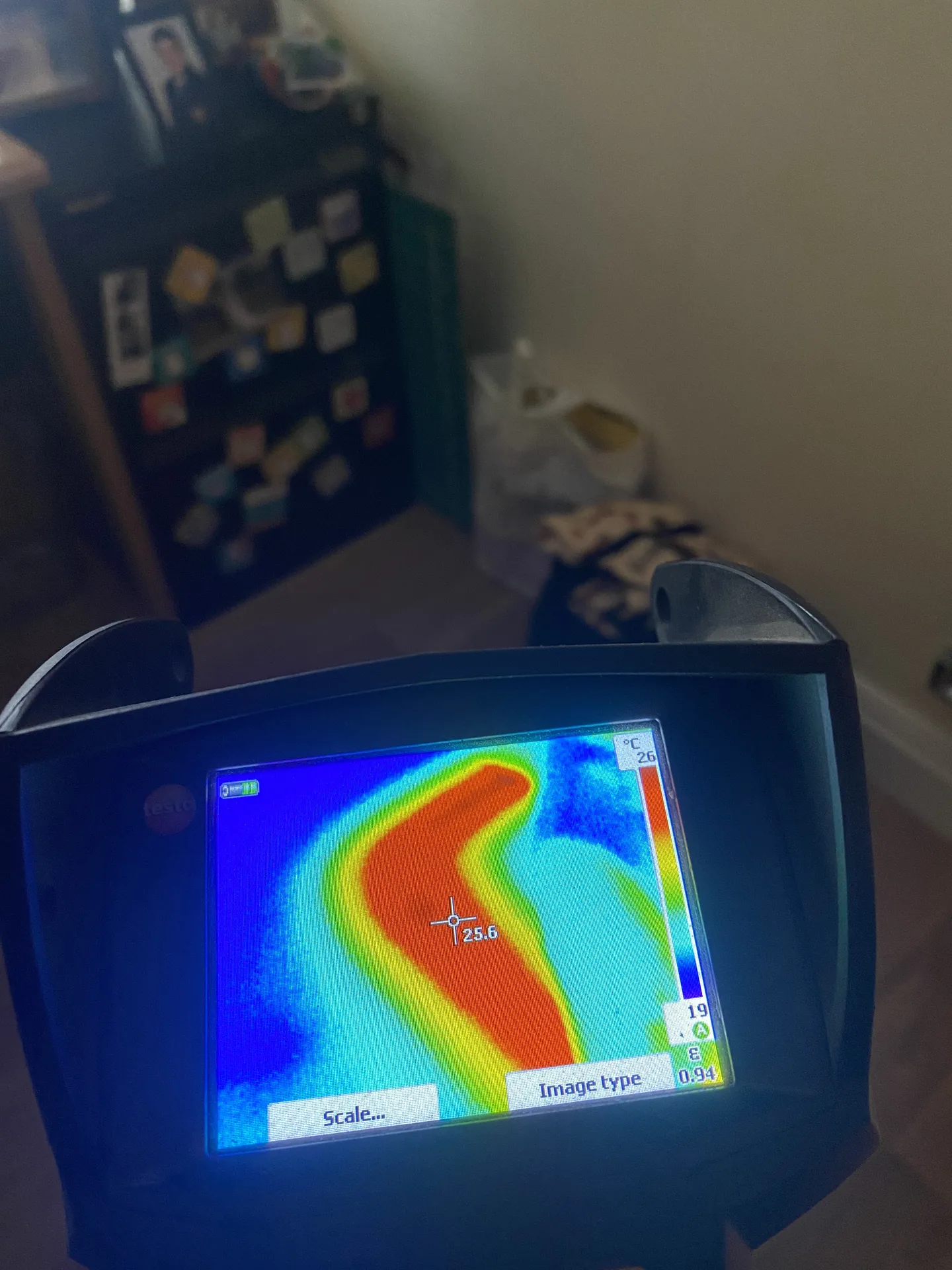
Central heating leak detection
A boiler that keeps dropping pressure means water is escaping somewhere in the heating circuit. We find the pipe or fitting and fix it.
Heating leaks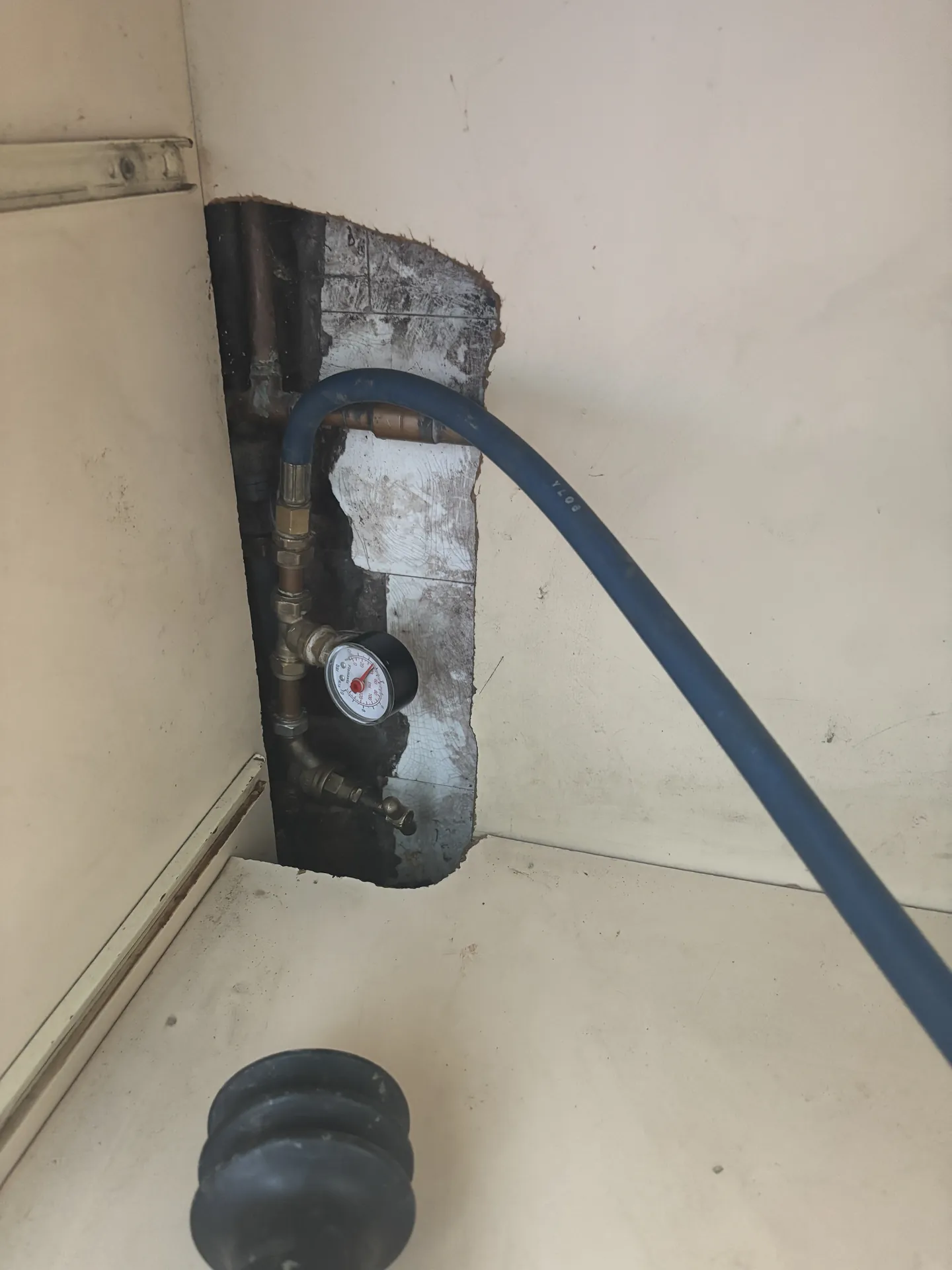
Trace and access insurance reports
Leak detection carried out and documented the way insurers expect, with a report your claims handler can act on straight away.
Insurance reportsFrom your first call to a leak you can see in the report
Call or WhatsApp with a few photos and a line about the symptoms. We ask a handful of questions, agree a fixed price and book the survey, usually for the same or the next day.
On arrival we pressure test the mains, hot water and heating, check the meter and test the escaping water, so we know what we are looking for before the detection starts.
Thermal imaging, the acoustic ground microphone and tracer gas are used as the pipework dictates until the leak is marked on the floor or wall.
You get a written report with readings, thermal images and photographs, ready for a trace and access claim. If you want the leak fixed, we open that one spot and repair it.
Ceiling leak: questions answered
Should I cut a hole in the ceiling to let the water out?
If the ceiling is bulging, yes, but a small one.Keep everyone out from under it, put a bucket below if water is dripping, and call us rather than piercing or cutting it yourself. Do not cut a large hole at the stain, as it is rarely where the leak is, and a small hole is far easier to patch.
Is the leak coming from the bathroom above?
Very often, but not always. The same ceiling void carries heating pipes, hot and cold feeds and waste pipes. We dye test the bath, shower, basin and toilet one at a time and scan the floor with a thermal camera before deciding.
Can you tell rain from a plumbing leak?
Yes. Rainwater, mains water, heating water and waste water test differently, and a test strip on a sample tells us which it is. The timing of the patch usually agrees with the result.
The leak is from the flat above. What can you do?
We can survey from your side and, with the neighbour's agreement, from theirs, and show in the report where the water is entering. That gives you, the neighbour and the managing agent something factual to work from.
Will my insurance pay for the ceiling?
Escape of water cover on most buildings policies deals with the damage to the ceiling and decoration. Trace and access cover pays for locating the leak and making good any opening we make. Our report separates the two.
Leak somewhere else?
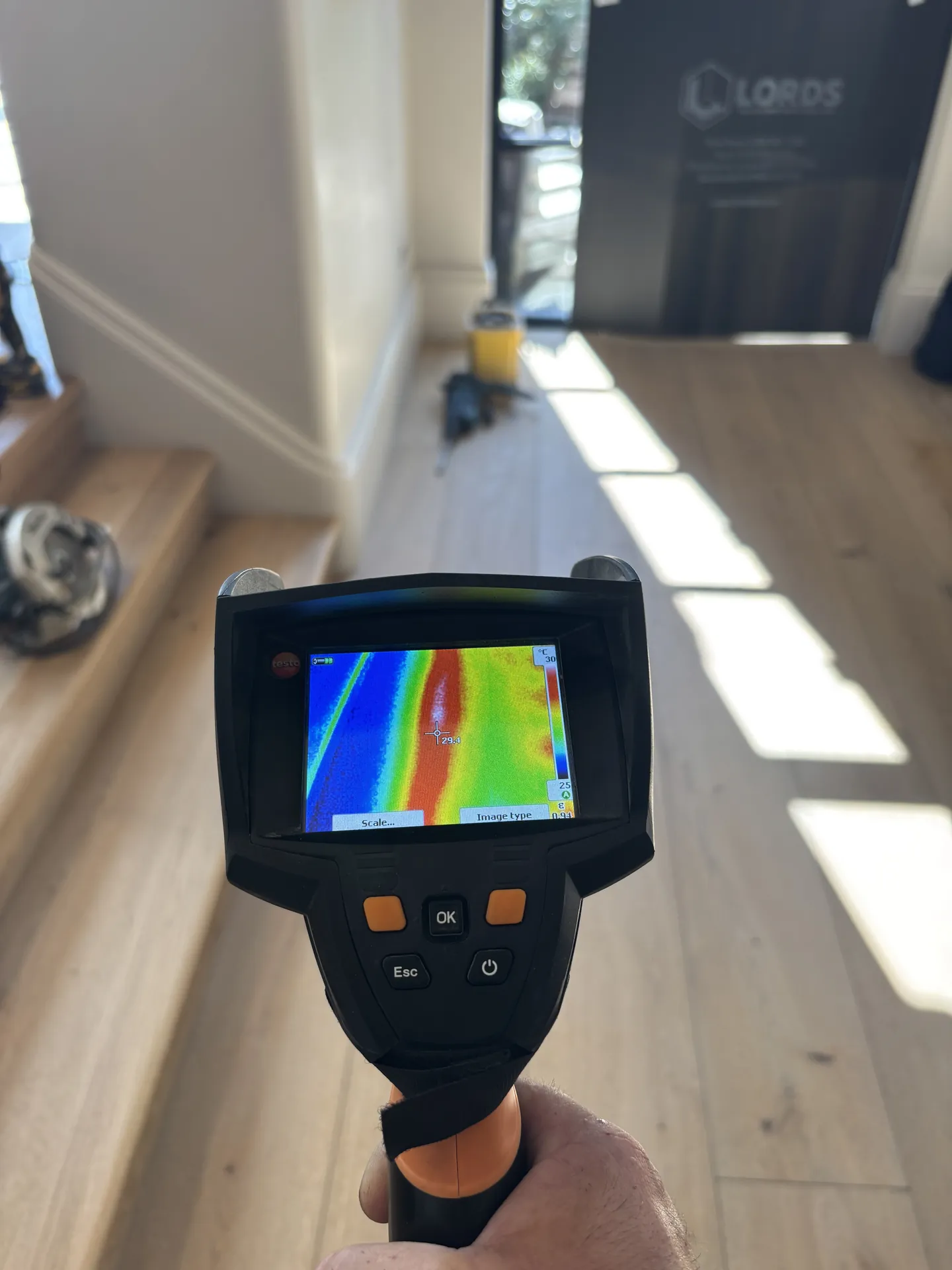
Noticed this at home? Do not wait for it to get worse.
Call now and we will tell you straight away whether it needs a same-day visit. Or send a photo of the stain, the meter or the boiler gauge on WhatsApp.
07516 755 680