Leak Inside a Wall? Who to Call and How It Is Found
Pipes run inside solid walls in chases and behind plasterboard and tiles. A leak there shows as a stain, bubbling paint or a damp patch that often sits nowhere near the pipe. We find the pipe and the leak before a single tile or patch of plaster comes off.
Leak inside a wall: what is usually going on
In older houses the pipes to a bathroom, a radiator or an outside tap were chased into the brickwork and plastered over. In newer houses and in most refurbished bathrooms they sit behind plasterboard, in stud walls or behind tiles. Either way, the pipe is hidden and the first warning is usually on the wall surface. Paint bubbles, plaster softens, a tide mark appears, or the grout darkens behind the shower. Sometimes there is a faint hissing with the house quiet. Many people call a plumber first, and a plumber will often say the leak needs to be located before it can be fixed.
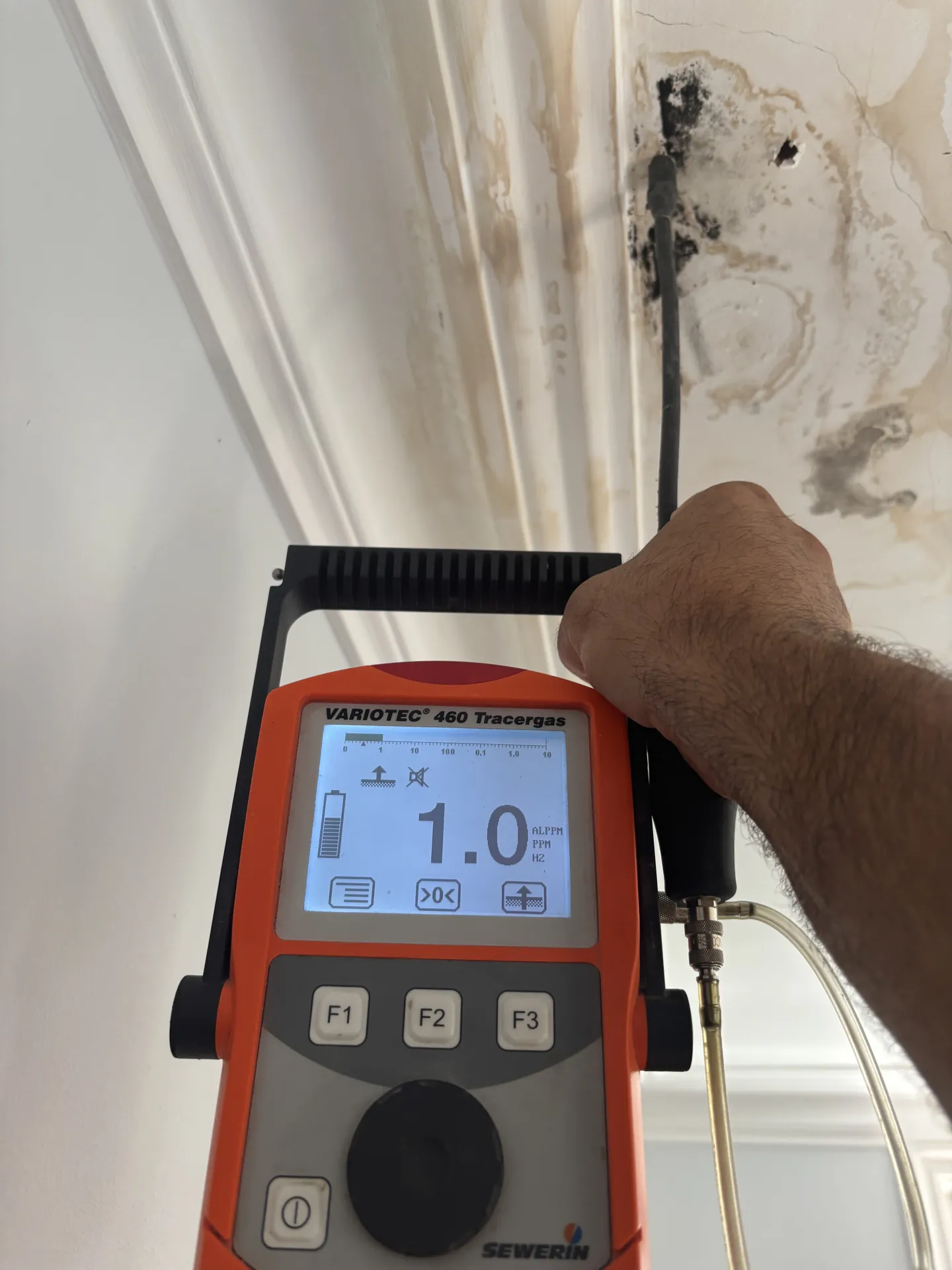
The difficulty is that water inside a wall rarely stays where it leaks. It runs down the back of plasterboard, follows the chase, soaks along a course of bricks and comes out at the lowest or thinnest point. A stain at skirting level can come from a joint a metre above. A damp patch in a hallway can come from the bathroom on the other side of the wall. Opening the wall at the stain often finds wet plaster and no pipe, and a second and third hole follow. Each hole is more making good, and the leak is still running.
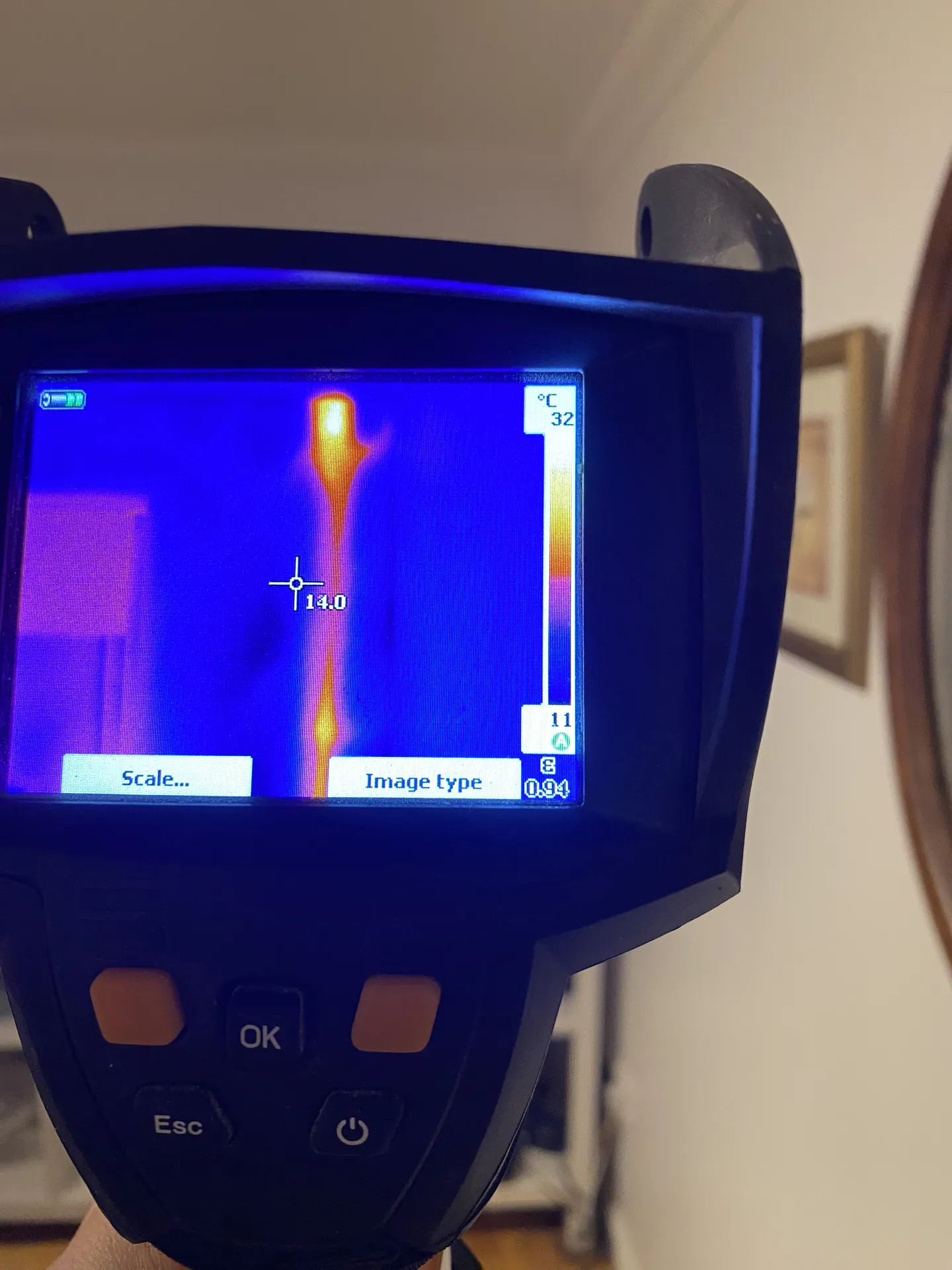
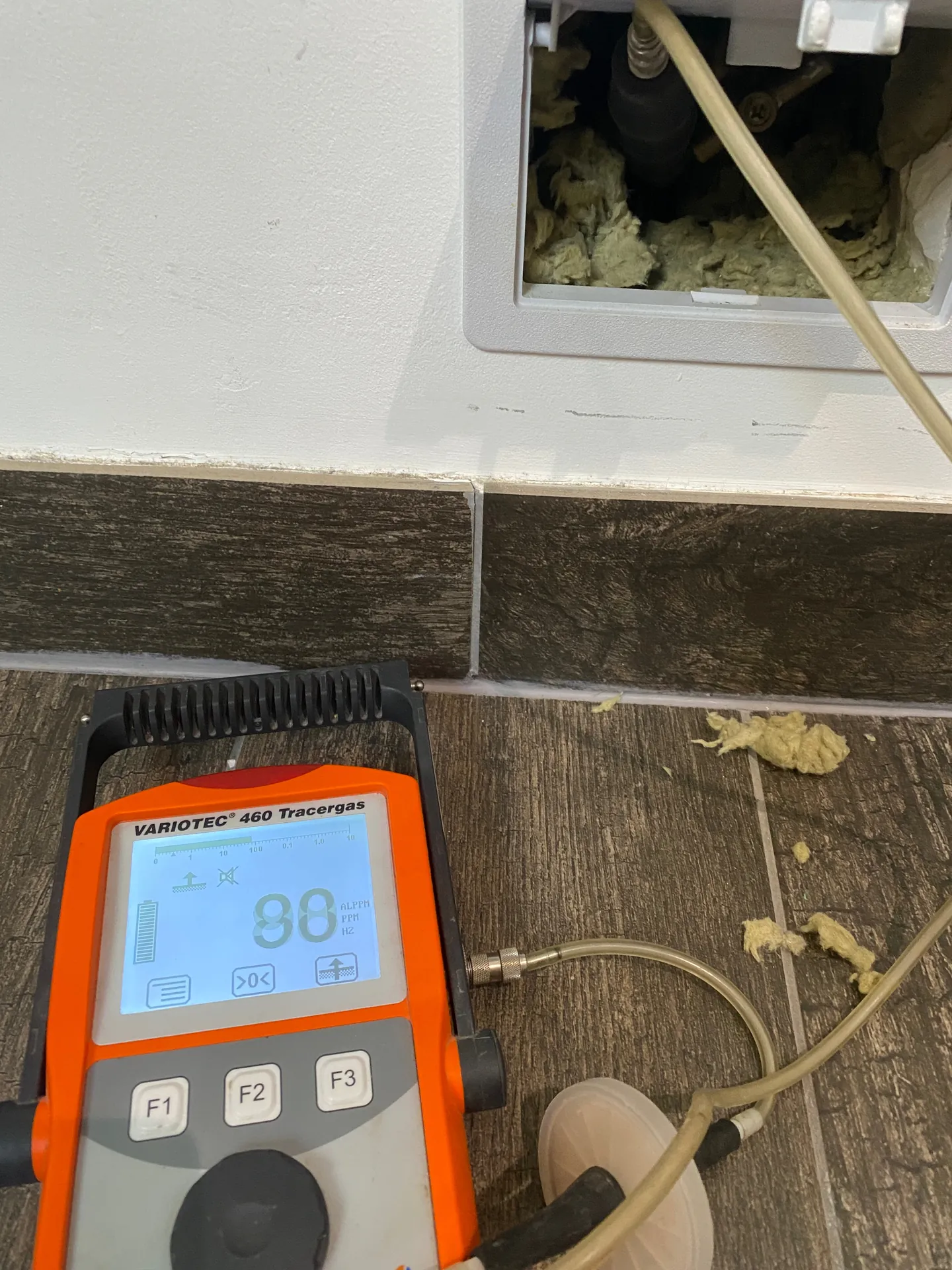
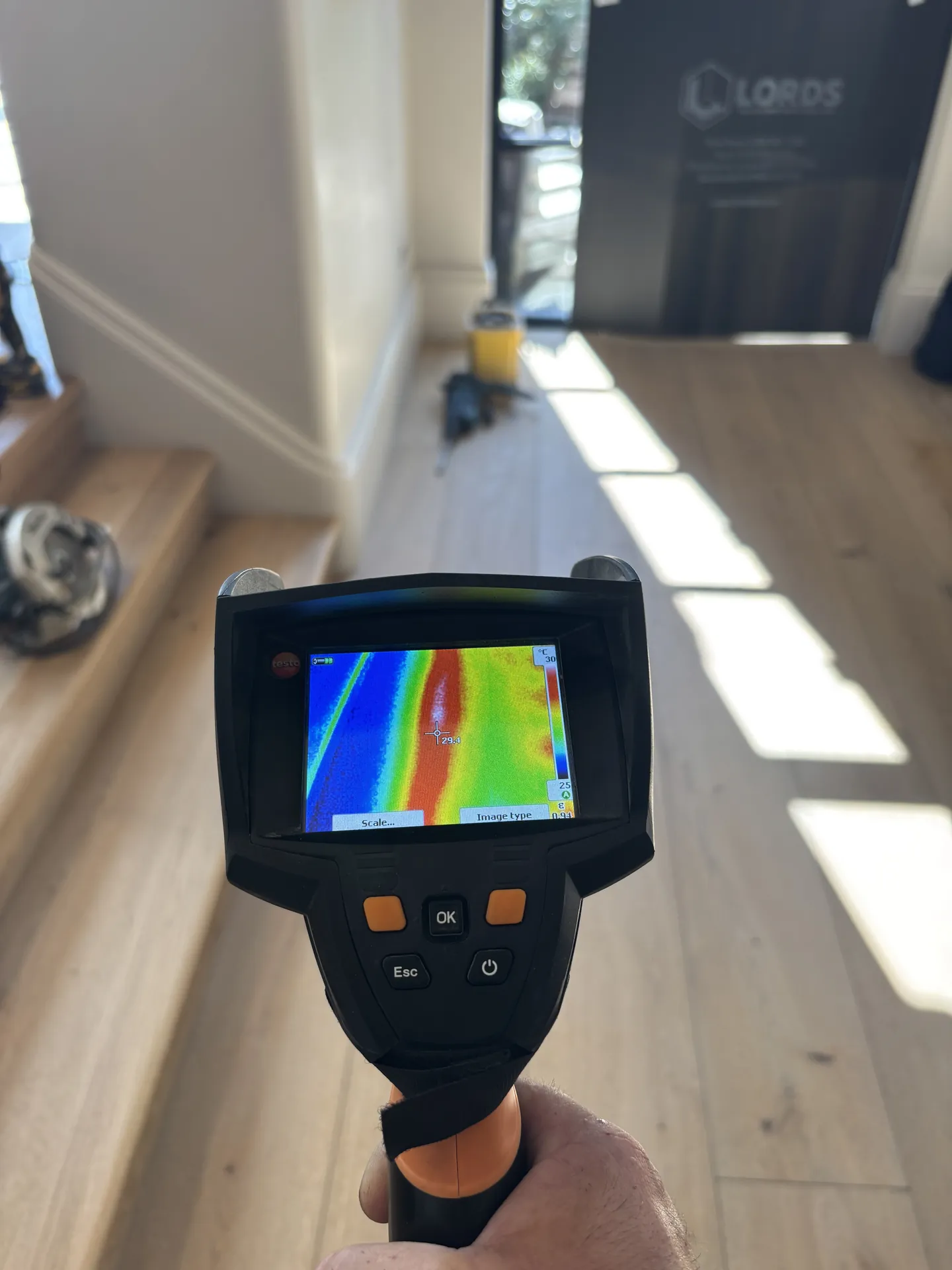
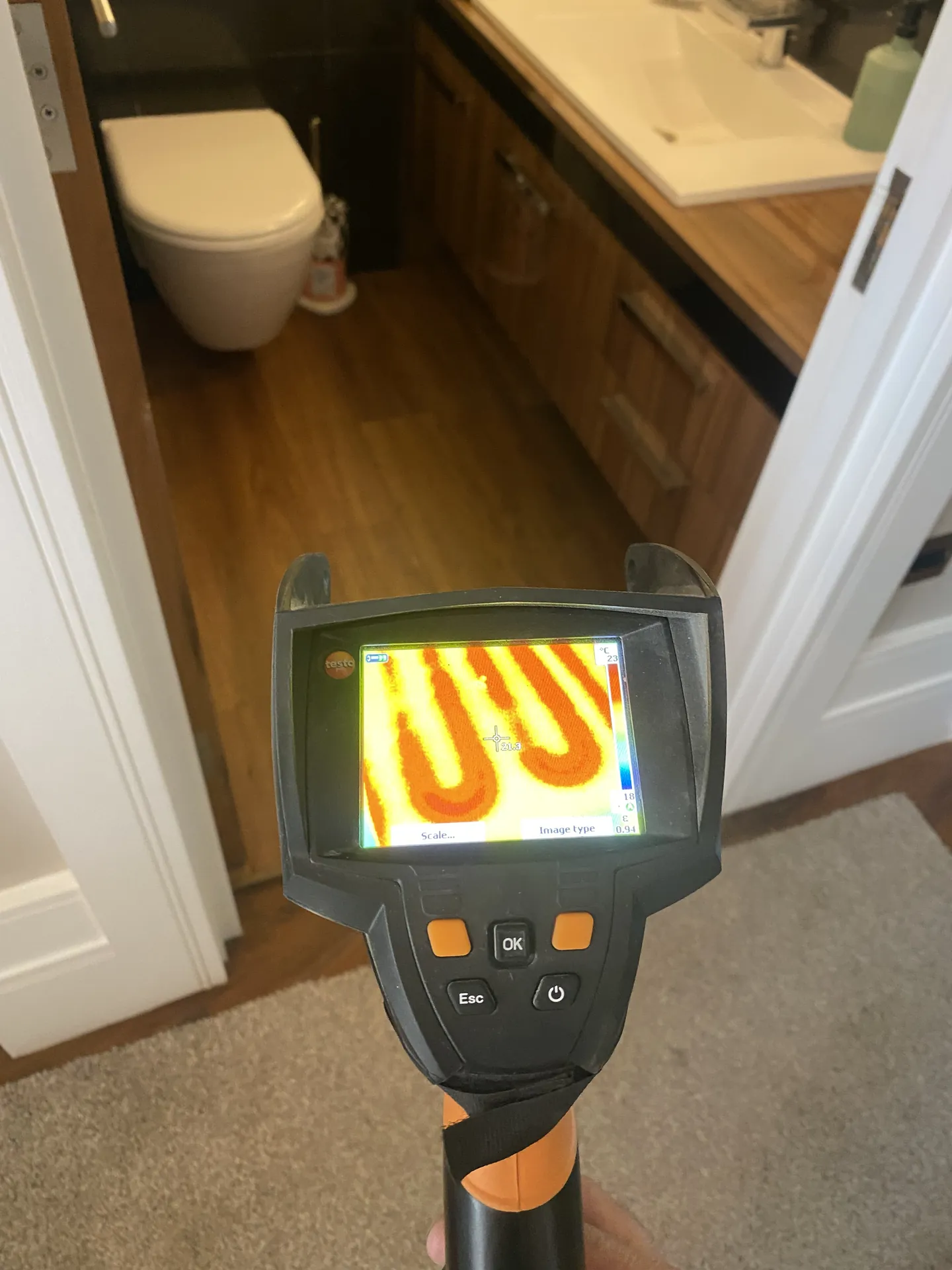
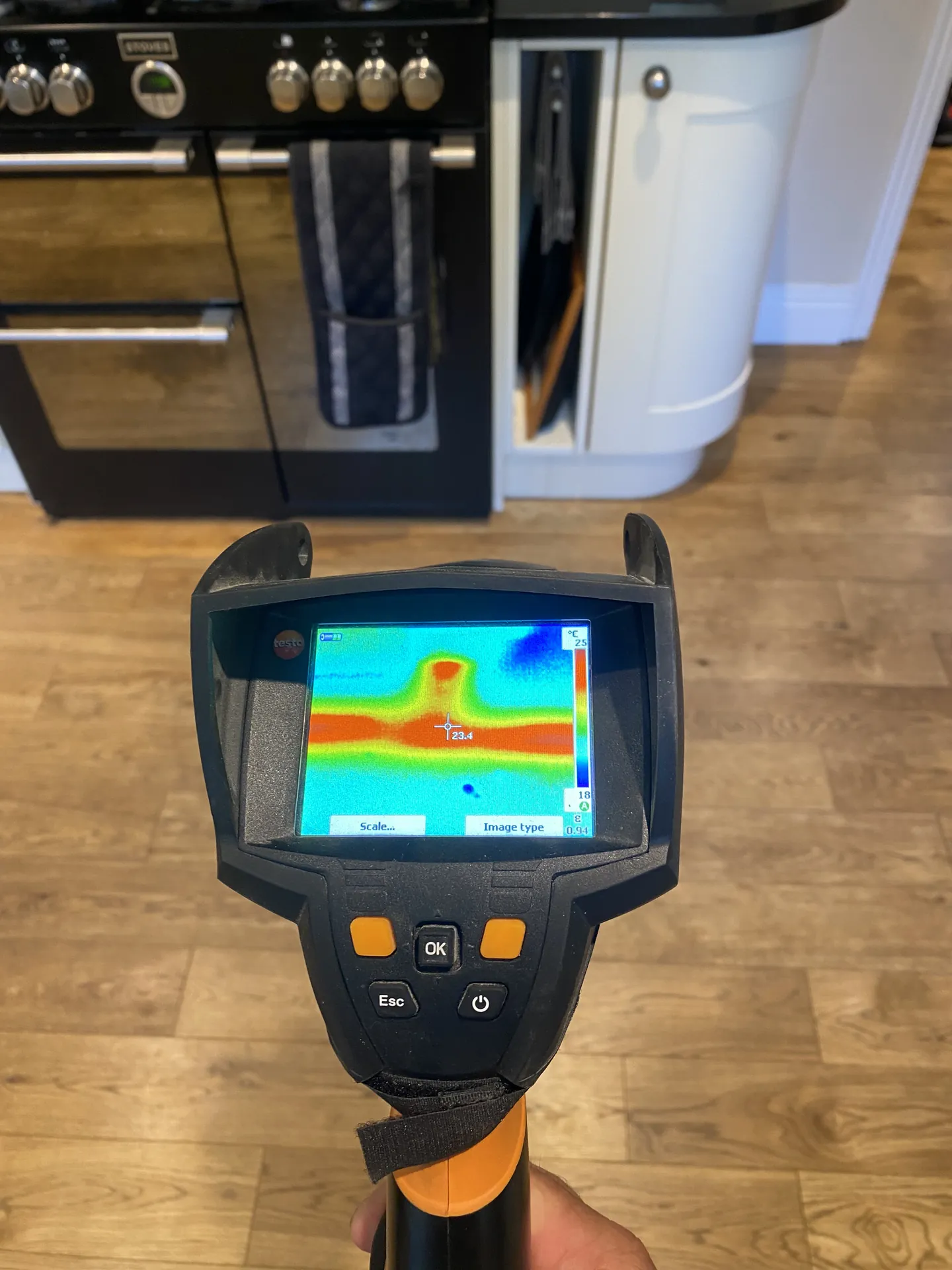
We start by finding the pipes. The thermal imaging camera shows hot pipes inside a wall and the cooler, wetter area where water has spread. A moisture meter maps how far the damp runs. For the cold mains the acoustic microphone listens on the wall surface for the sound of water under pressure. Where the pipe is silent, we drain it and introduce hydrogen tracer gas. We then sample the wall surface, the skirting and the tile joints until the detector finds the gas. The gas is a tracer only and this is not gas-safety work. If you ever smell gas, leave the property and call the gas emergency number.
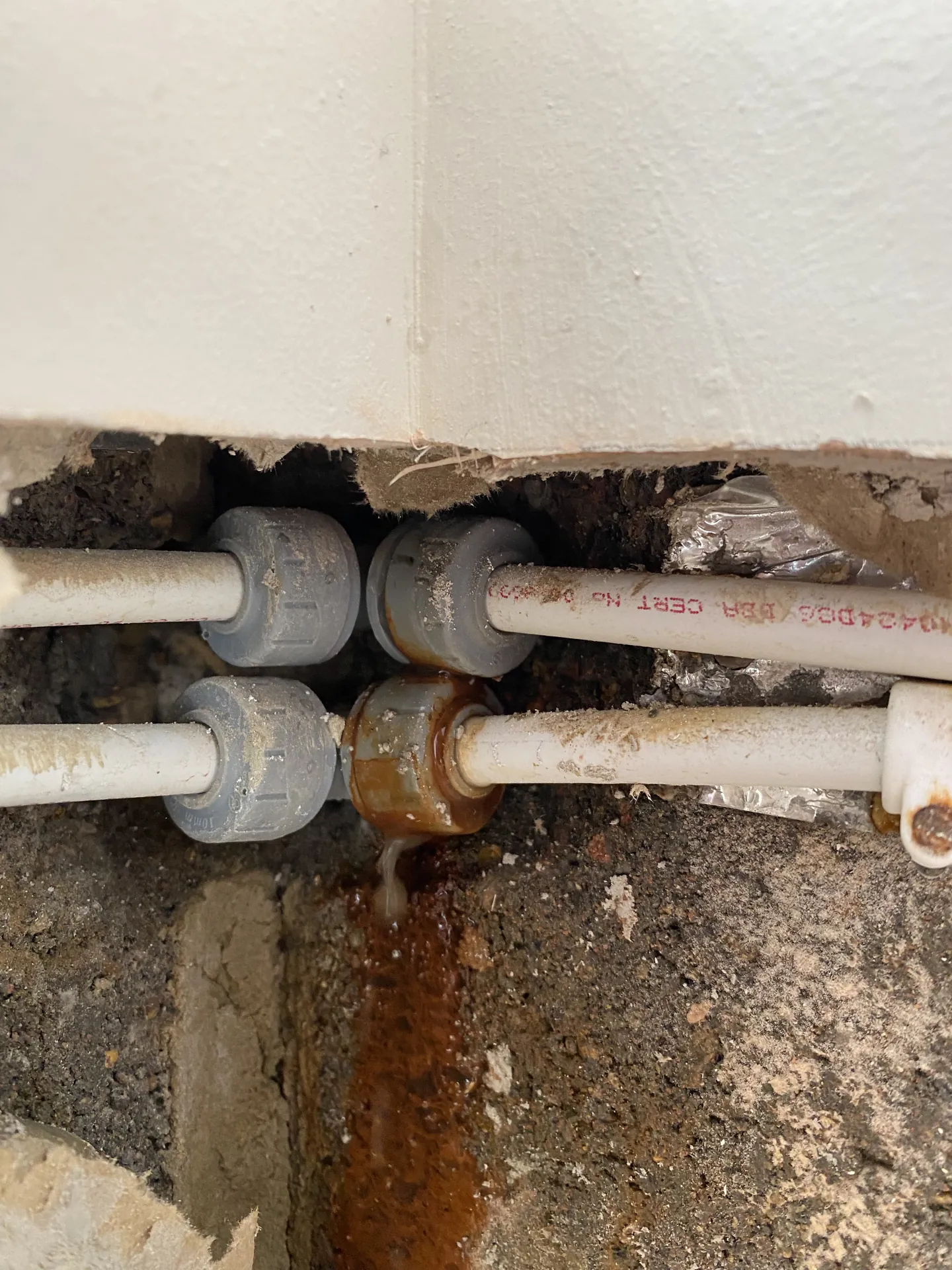
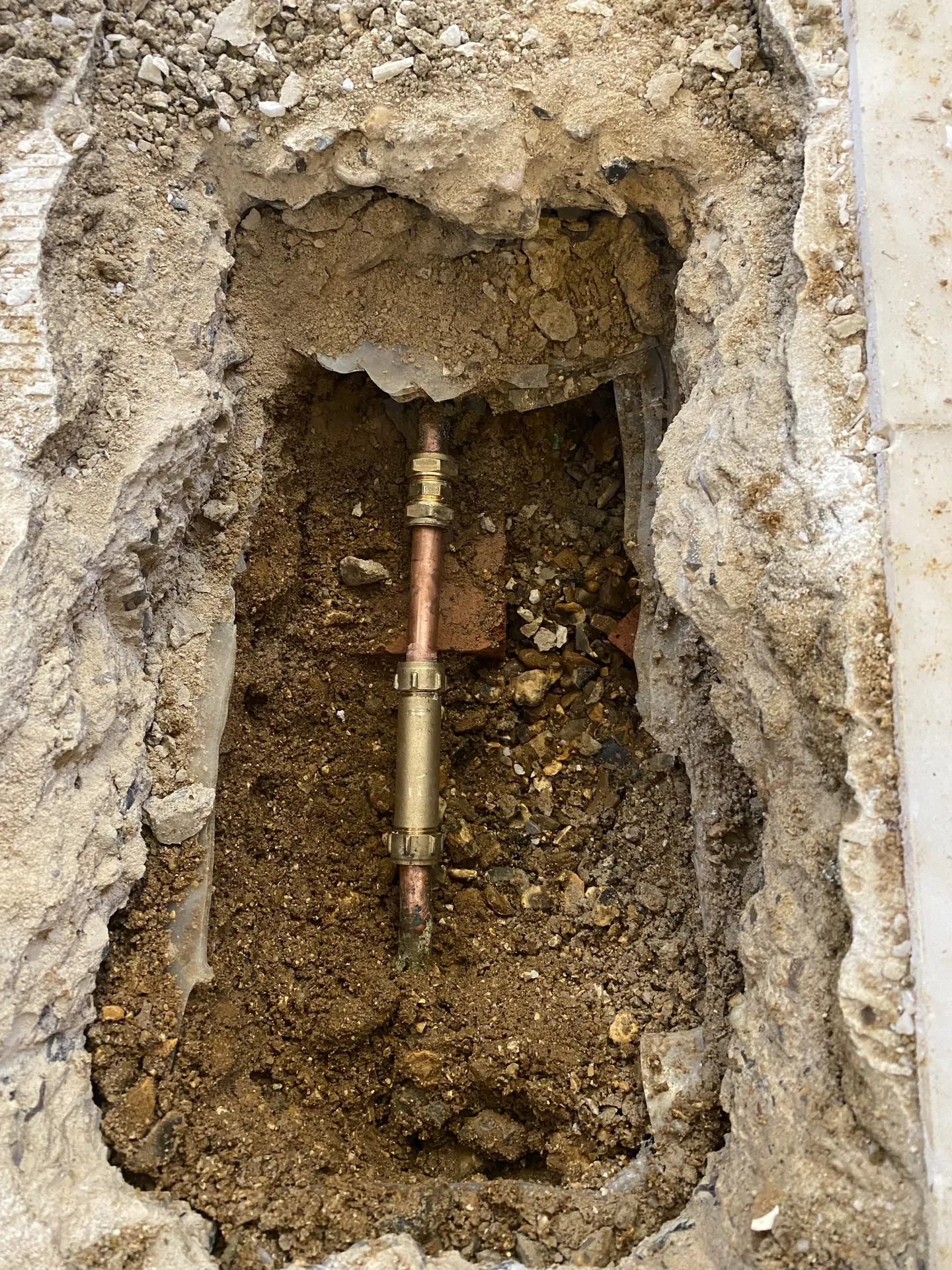
Once the leak is pinpointed, one small chase is opened at the mark, usually a few tiles or a patch of plaster the size of a hand. The pipe is exposed, the fault photographed and, if you want, repaired in copper or barrier pipe on the same visit. Tiles stay on everywhere else. Your written report records the thermal images, the moisture readings and the location, which is what buildings insurers expect to see for a trace and access claim. If a wall cannot be read without opening it, for example behind a thick tiled render, we tell you that before we start.
Call today if
- The wall is wet to the touch or water is running down it.
- Plaster is falling off or a tiled area has started to bow outwards.
- There is a light fitting, a socket or the consumer unit on or near the wet wall.
- A hissing sound in the wall has started suddenly or is getting louder.
What this looks like on the day
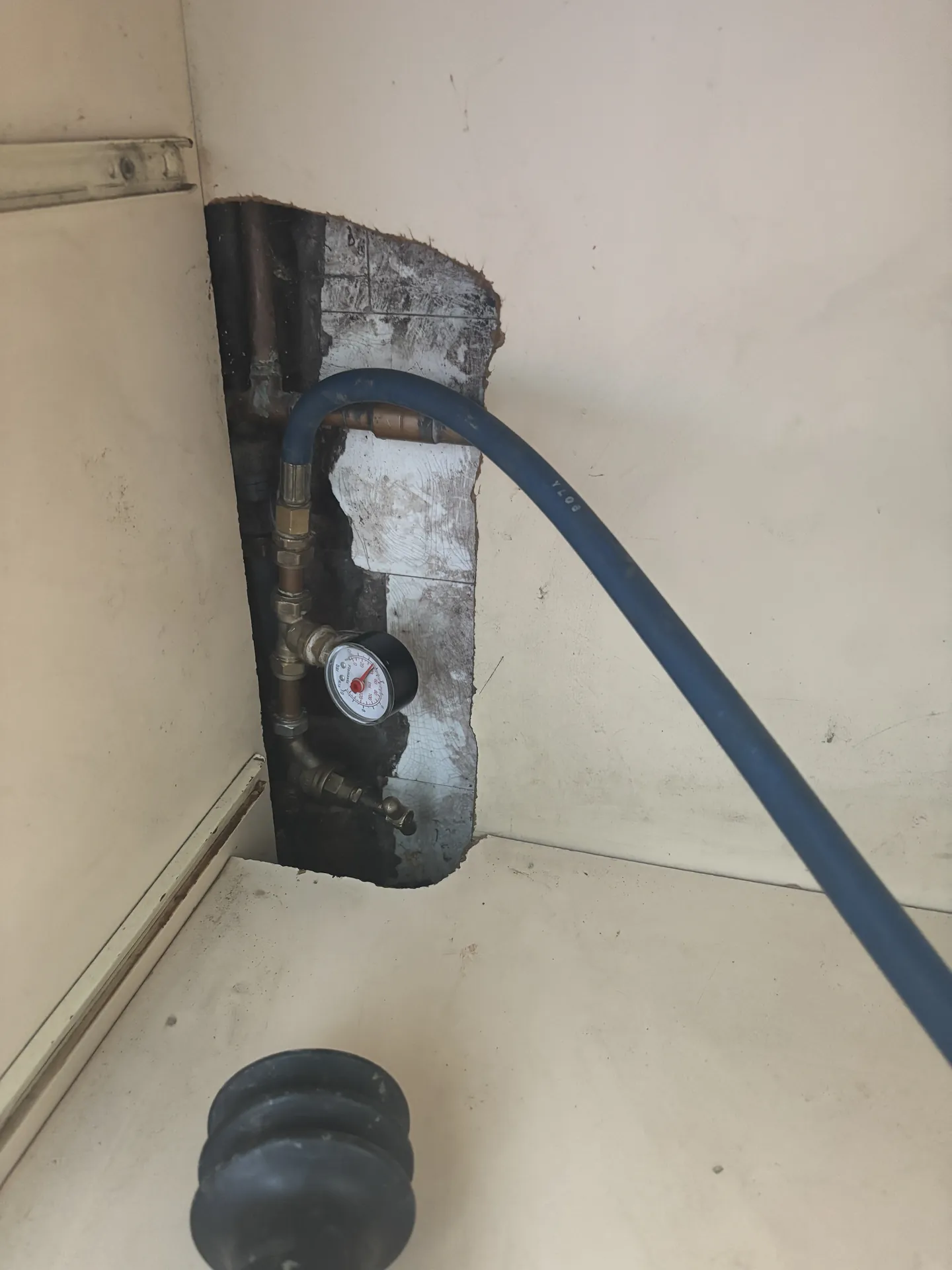
How we would find this leak
Water leak detection
Hidden leaks behind walls, under floors and in ceilings, pinpointed with thermal, acoustic and tracer gas kit before anything is opened up.
Water leaks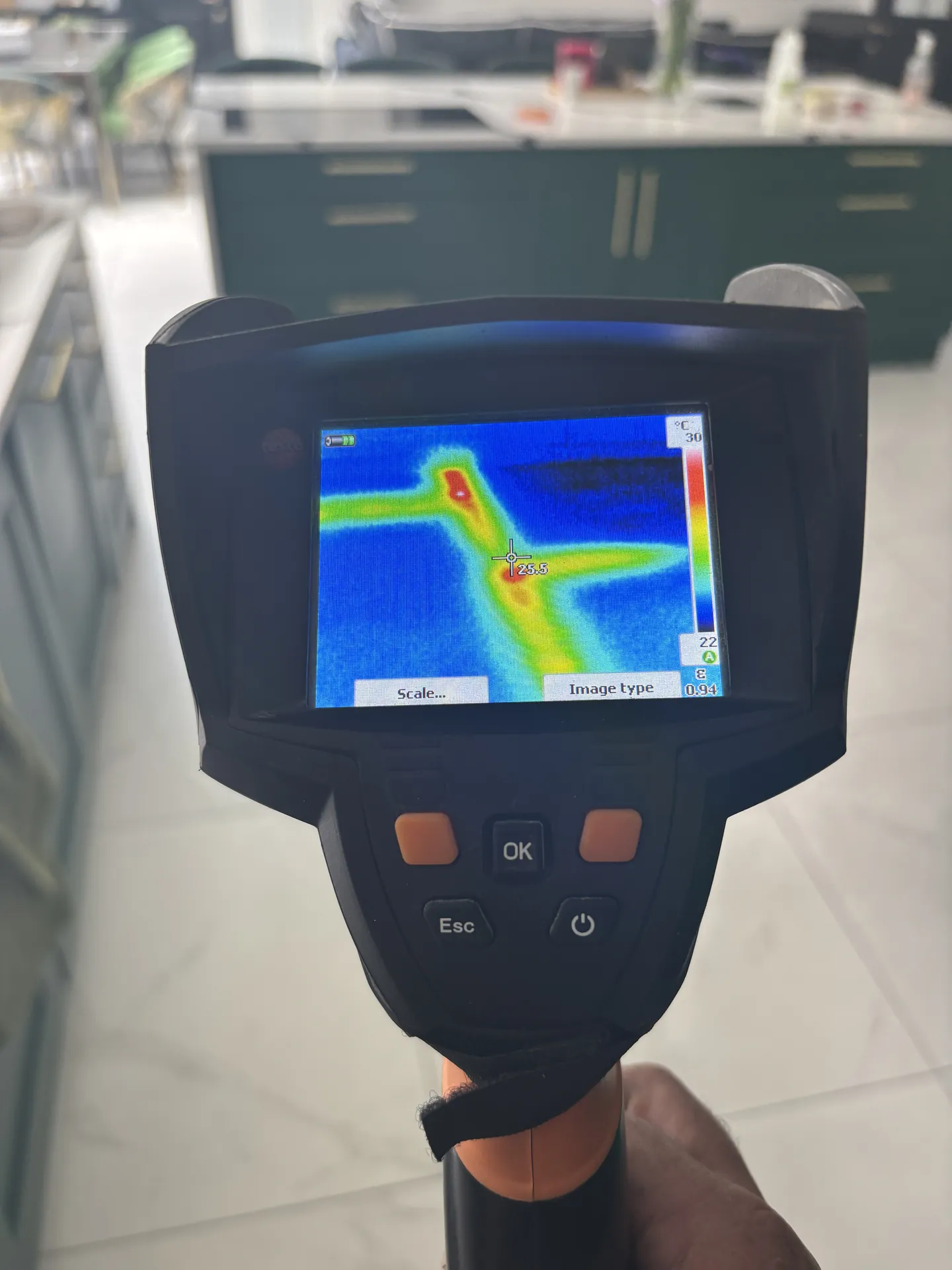
Thermal imaging leak surveys
A thermal imaging camera shows warm pipe runs and cool wet patches through floors and walls, so the leak is seen before anything is opened.
Thermal imaging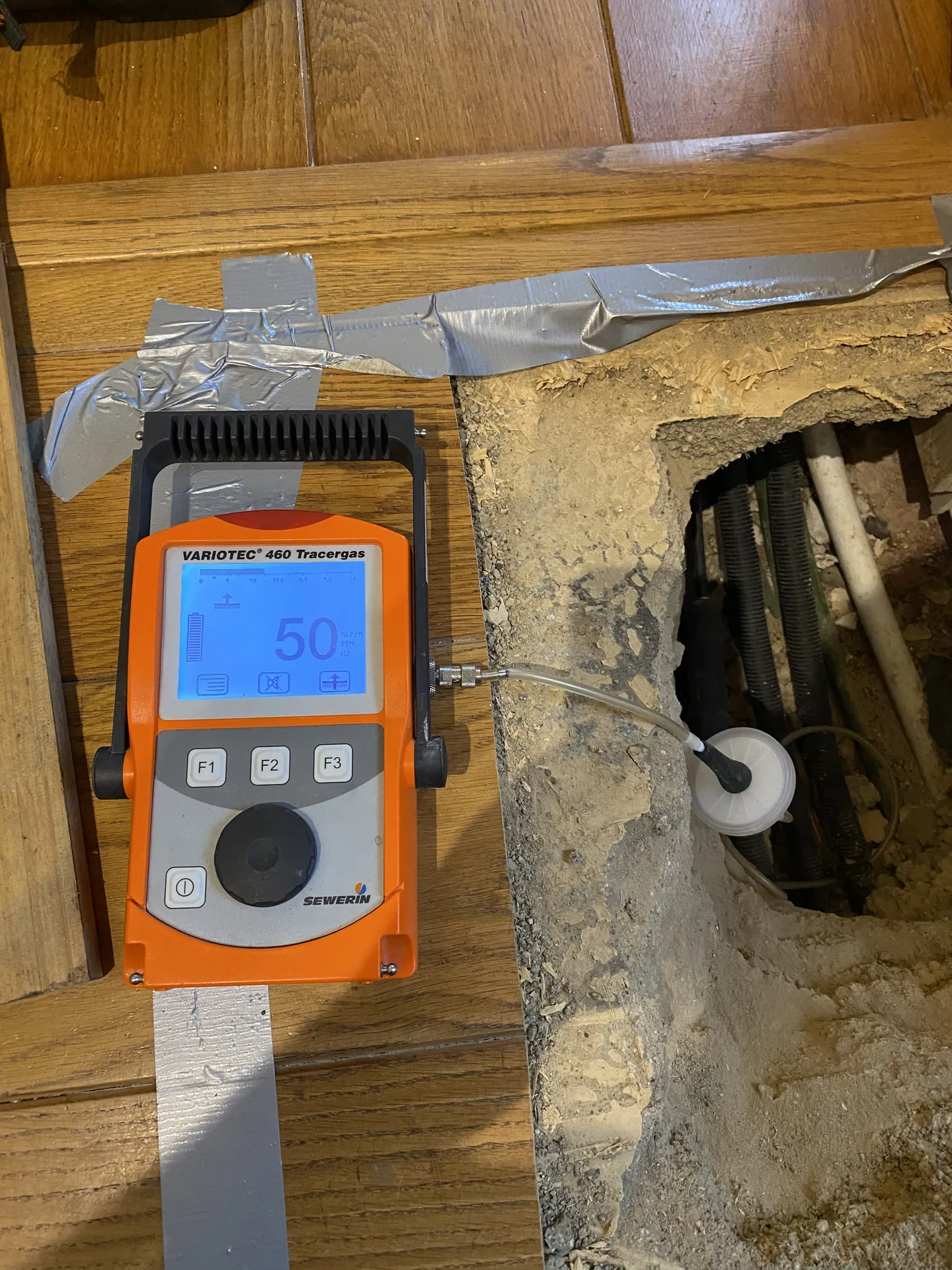
Tracer gas leak detection
A safe hydrogen and nitrogen mix is put into the drained pipe, rises through the floor or wall and is picked up by the detector directly above the leak.
Tracer gasFrom your first call to a leak you can see in the report
Call or WhatsApp with a few photos and a line about the symptoms. We ask a handful of questions, agree a fixed price and book the survey, usually for the same or the next day.
On arrival we pressure test the mains, hot water and heating, check the meter and test the escaping water, so we know what we are looking for before the detection starts.
Thermal imaging, the acoustic ground microphone and tracer gas are used as the pipework dictates until the leak is marked on the floor or wall.
You get a written report with readings, thermal images and photographs, ready for a trace and access claim. If you want the leak fixed, we open that one spot and repair it.
Leak inside a wall: questions answered
Who do I call for a leak inside a wall?
A leak detection specialist rather than a general plumber, at least to start with. We locate the leak without opening the wall, and we can also carry out the repair so you do not need a second trade.
Can plumbers find leaks behind walls?
Some can, by opening the wall where they think the pipe runs. The risk is several holes before the right one. We use thermal imaging, a moisture meter, acoustic listening and tracer gas so that one small chase is enough.
The stain is behind the shower. Is it the shower or a pipe?
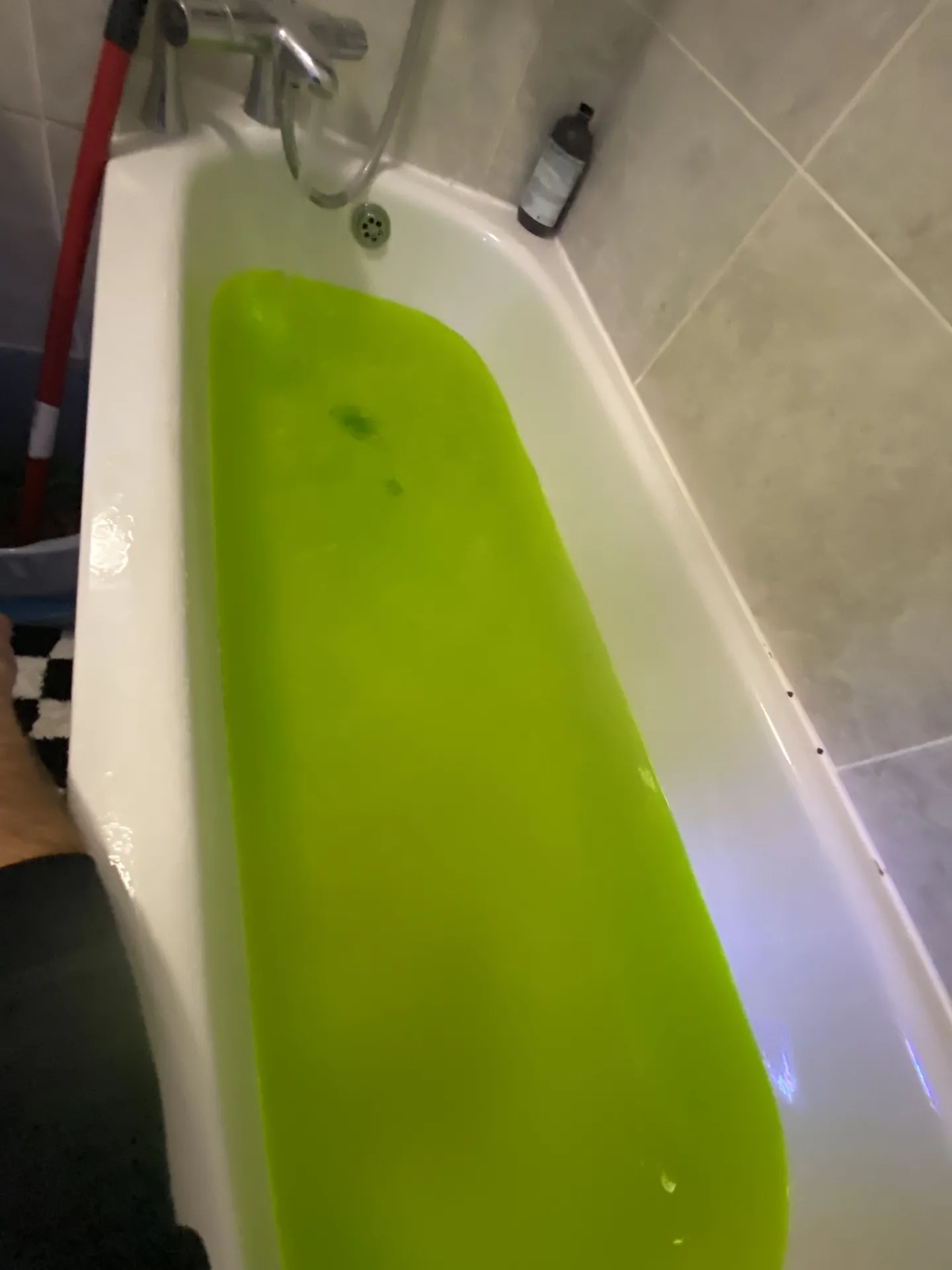
Either, and the two are easy to confuse. A dye test and a run of the shower with the wall watched tells us whether the water comes from the tray, the seals or the valve. If the wall stays dry during the test, the pipework is the suspect.
Will you have to take the tiles off?
Only the few over the leak, and only once it has been located. Everything else stays in place. If you have spare tiles, keep them aside for the making good.
Is a leak in the wall covered by insurance?
Most buildings policies include trace and access cover, which pays for locating the leak and making good the wall afterwards. The repair to the pipe is usually not covered. We keep the three items separate in the report.
Leak somewhere else?
Noticed this at home? Do not wait for it to get worse.
Call now and we will tell you straight away whether it needs a same-day visit. Or send a photo of the stain, the meter or the boiler gauge on WhatsApp.
07516 755 680